Achieving positive outcomes for all stakeholders.
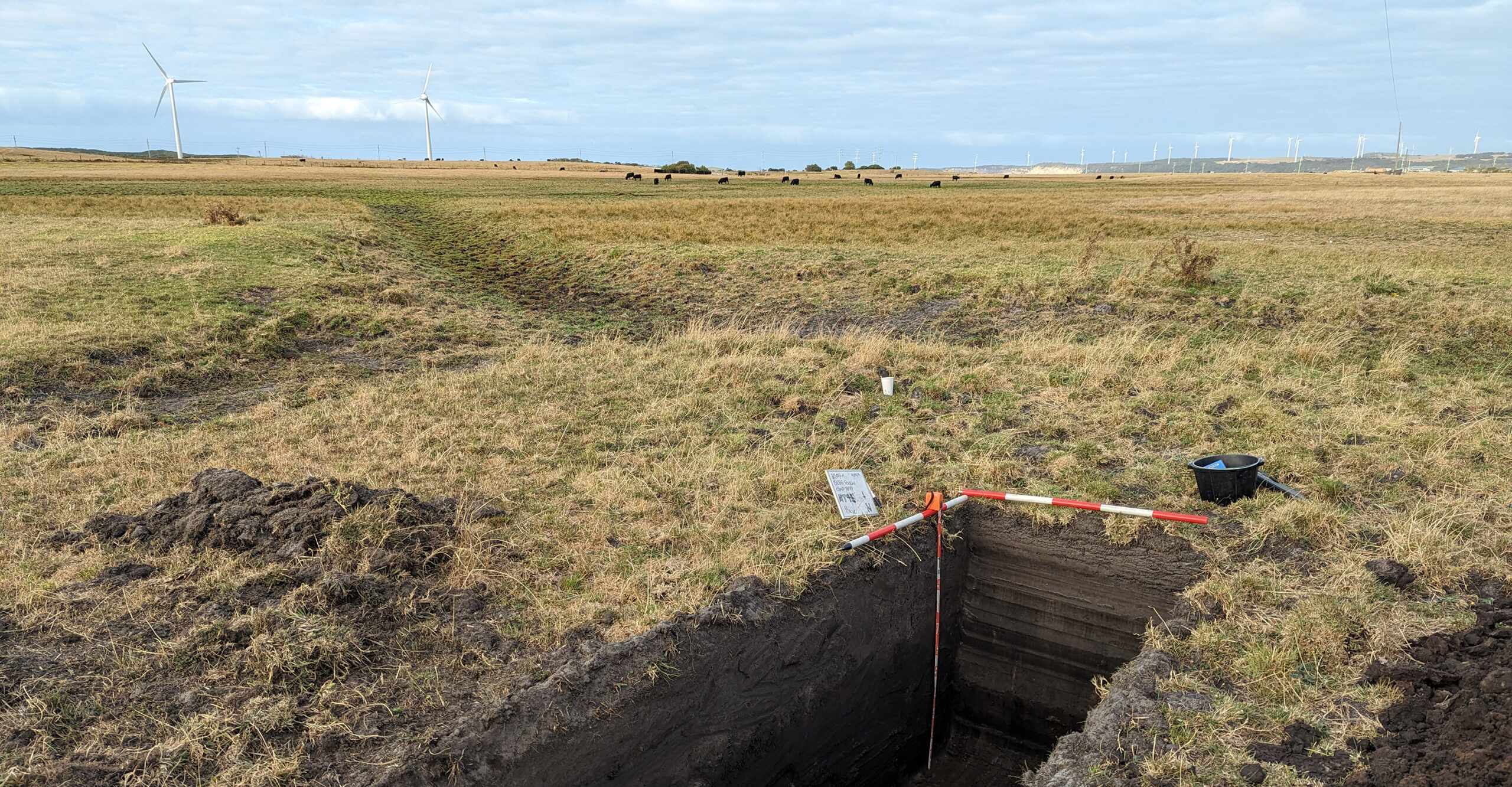
Portland Battery Energy Storage System
A cultural heritage management plan prepared by GML for a renewable energy project in Portland achieved positive outcomes for all stakeholders.
Pacific Green and Cogency Australia engaged GML to prepare a cultural heritage management plan (CHMP) for the development of four battery energy storage system (BESS) parks and an electricity switching station in Portland, Western Victoria. As part of the project, GML engaged in collaborative consultation with Gunditj Mirring Traditional Owners Aboriginal Corporation (GMTOAC).
Renewable energy is seen by the Victorian and Australian governments as critical to Australia’s future, and the key to the success of renewables such as solar and wind are the large battery storage systems required to store the energy for use.
A mandatory CHMP was triggered under Section 46(1)(a) of the Aboriginal Heritage Act 2006 as the proposed BESS parks comprise a high impact activity, and the study area is in an area of cultural heritage sensitivity.
Building on prior knowledge and experience, GML completed a thorough review of potential cultural heritage within the area. The standard and complex assessment identified that dune rises within the study area contained significant amounts of Aboriginal cultural heritage material. Over 1800 artefacts were recorded and analysed by GML archaeologists. The results showed that the study area would have been very resource-rich, with the dune systems providing dry camping areas with excellent vantage points.
In consultation with Pacific Green, Cogency and GMTOAC, aspects of the project design were modified to better protect the Aboriginal cultural heritage identified on site and to prevent further harm. The CHMP was approved by GMTOAC. This approach demonstrates that cultural heritage preservation can coexist with development when careful planning and genuine collaboration are prioritised.
Learn more about how GML can support renewable energy planning, approvals and delivery. Download our capability statement.
Deliverables
- Cultural Heritage Management Plan
- Archaeology
- First Nations Heritage
- Pacific Green
- Cogency Australia
- Portland, Victoria
- Gunditjmara Country