Density dilemmas: Heritage and planning the future in cities
Some of the world’s most lauded and densest cities build on history and heritage, writes GML CEO Sharon Veale.
London, Paris and New York are often cited in debates about housing pressure and urban growth for one simple reason: they have all had to accommodate significant density without dismantling their historic fabric. The experience of those cities leads to a clear conclusion that heritage is not the problem, poor urban thinking is.
In London, growth is managed by understanding character and significance first, then shaping infill, reuse, and mid‑rise development accordingly. London’s planning policy explicitly ties heritage conservation to growth, requiring development to integrate heritage significance early and manage cumulative change, not wage war on it.
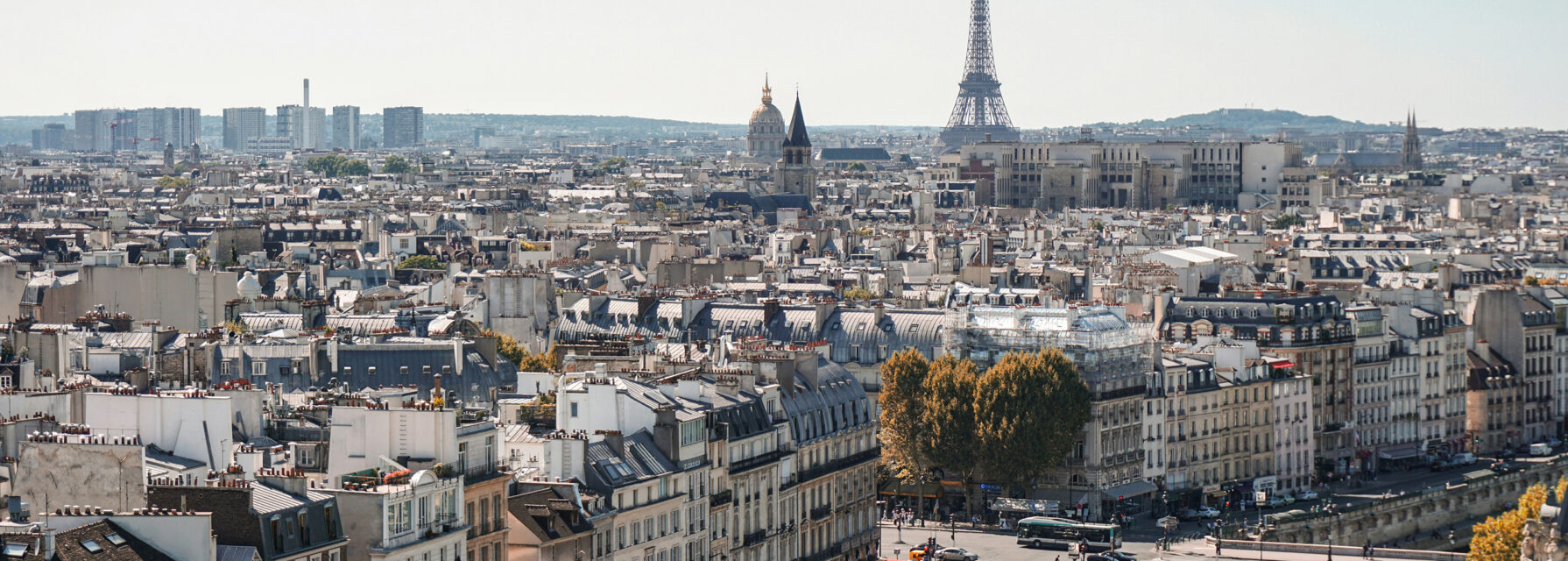
In Paris, density is achieved through consistent height, continuous street walls and enduring urban structure rather than visual disruption. New York proves the argument under difficult conditions which includes intense land values and housing pressure while maintaining extensive historic districts regulated through a dedicated preservation framework. Its system is built on a logic that is based on adapting what exists, reusing what works, and allowing for carefully controlled change.
Across all three cities, density is delivered not by erasing the past, but by working intelligently with what already exists. Incremental change, reuse of industrial and commercial buildings, internal intensification, roof additions and block‑scale coherence are the tools that consistently succeed. These cities demonstrate that historic places when set within robust urban frameworks can absorb growth over time.
The persistent claim that heritage ‘blocks’ density does not stand up to international evidence. Some of the densest, most liveable cities in the world are often the most protected. Heritage controls do not prevent development; they direct it, providing certainty about scale, form and quality. Where growth is treated as a design and planning challenge rather than a demolition exercise, both housing supply and place quality improve.
The lesson for Australian cities is not to weaken heritage, but to use it more intelligently. Density done well is not about choosing between the past and the future. It is about recognising that long‑term urban success depends on understanding the structures, physical, social and cultural that have already proven their value. International experience is unequivocal: cities that treat heritage as an asset grow better than those that treat it as an inconvenience.

‘The persistent claim that heritage ‘blocks’ density does not stand up to international evidence. Some of the densest, most liveable cities in the world are often the most protected.’