Unearthed and unresolved: why NSW needs a better future for archaeological collections
Archaeological excavation in New South Wales is supported by established statutory and regulatory processes. Yet the long-term future of the material it produces remains far less certain, writes GML CEO Sharon Veale.
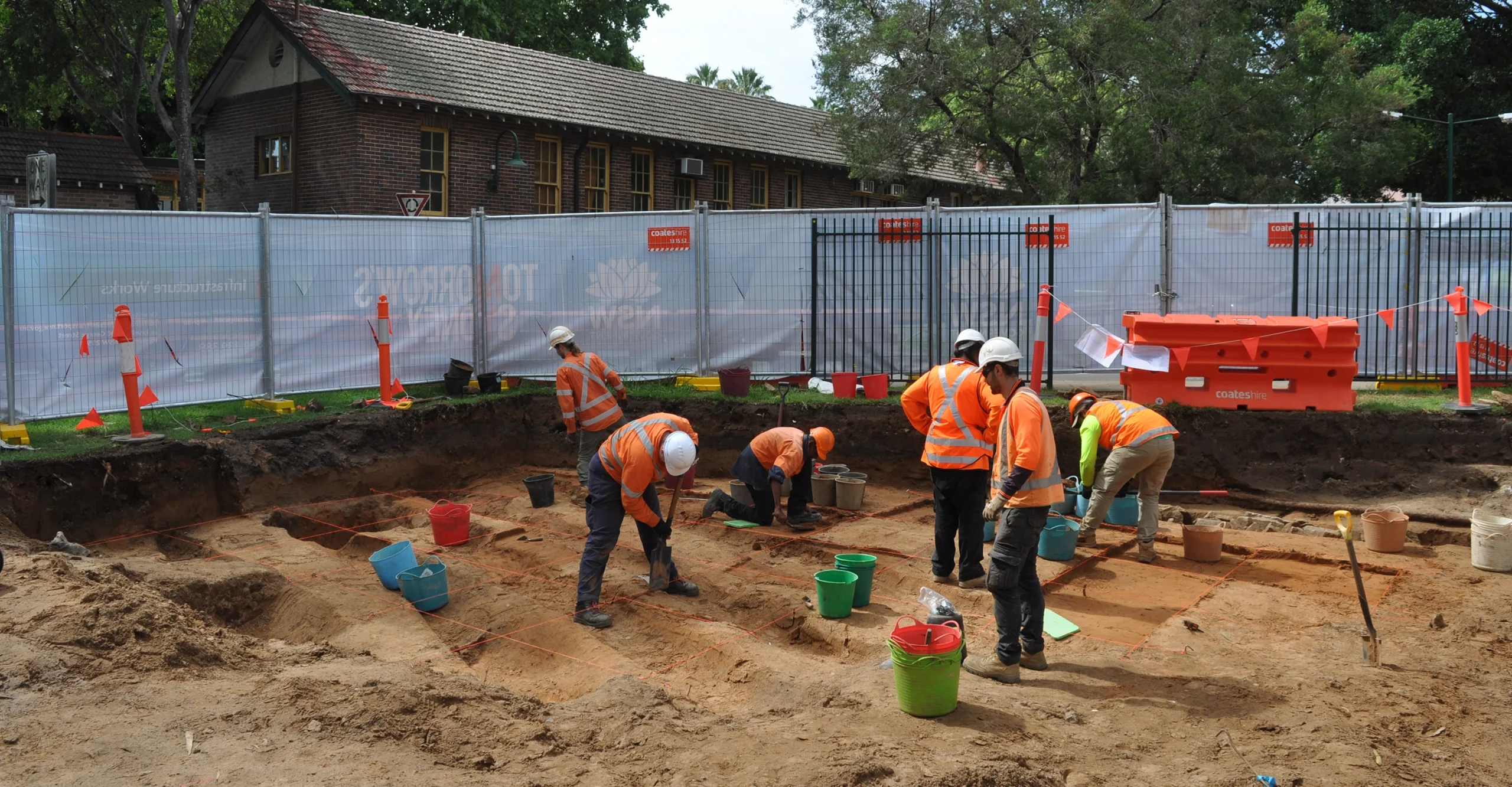
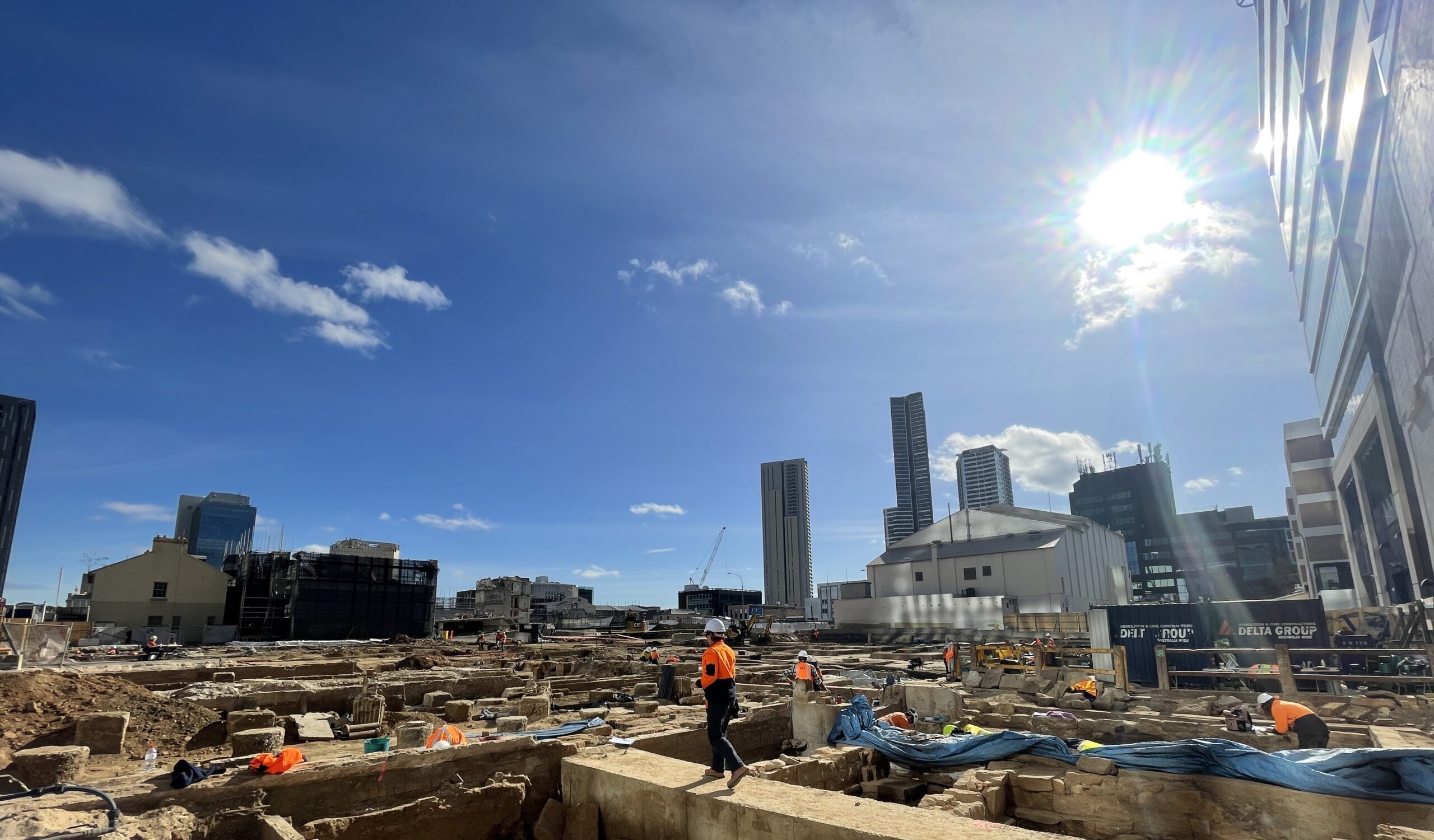
Archaeology in New South Wales is carefully regulated. Historical archaeological excavation is managed through permits, research designs and post-excavation reporting under the Heritage Act 1977, while Aboriginal objects are both protected and ‘harmed’ under the National Parks and Wildlife Act 1974.
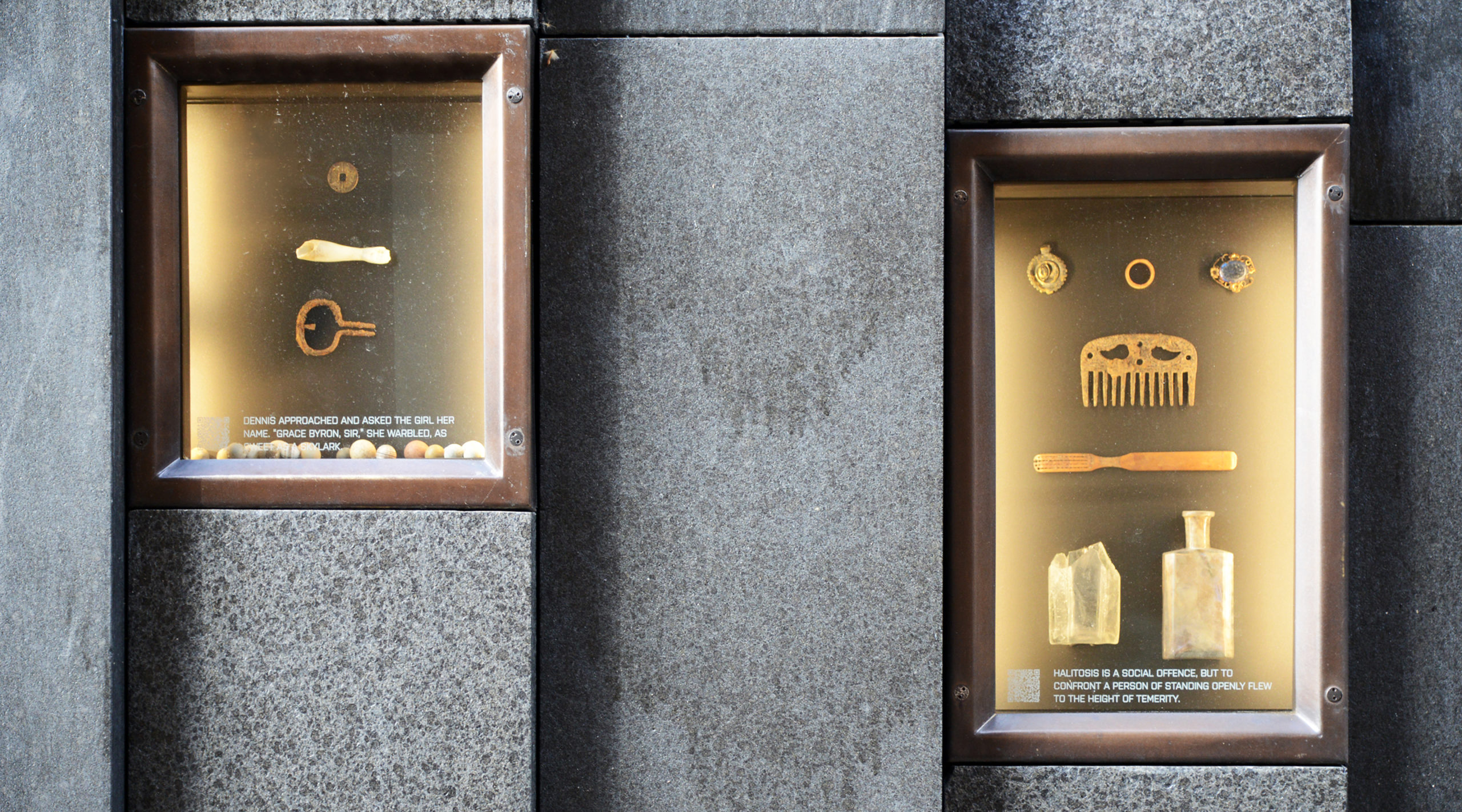
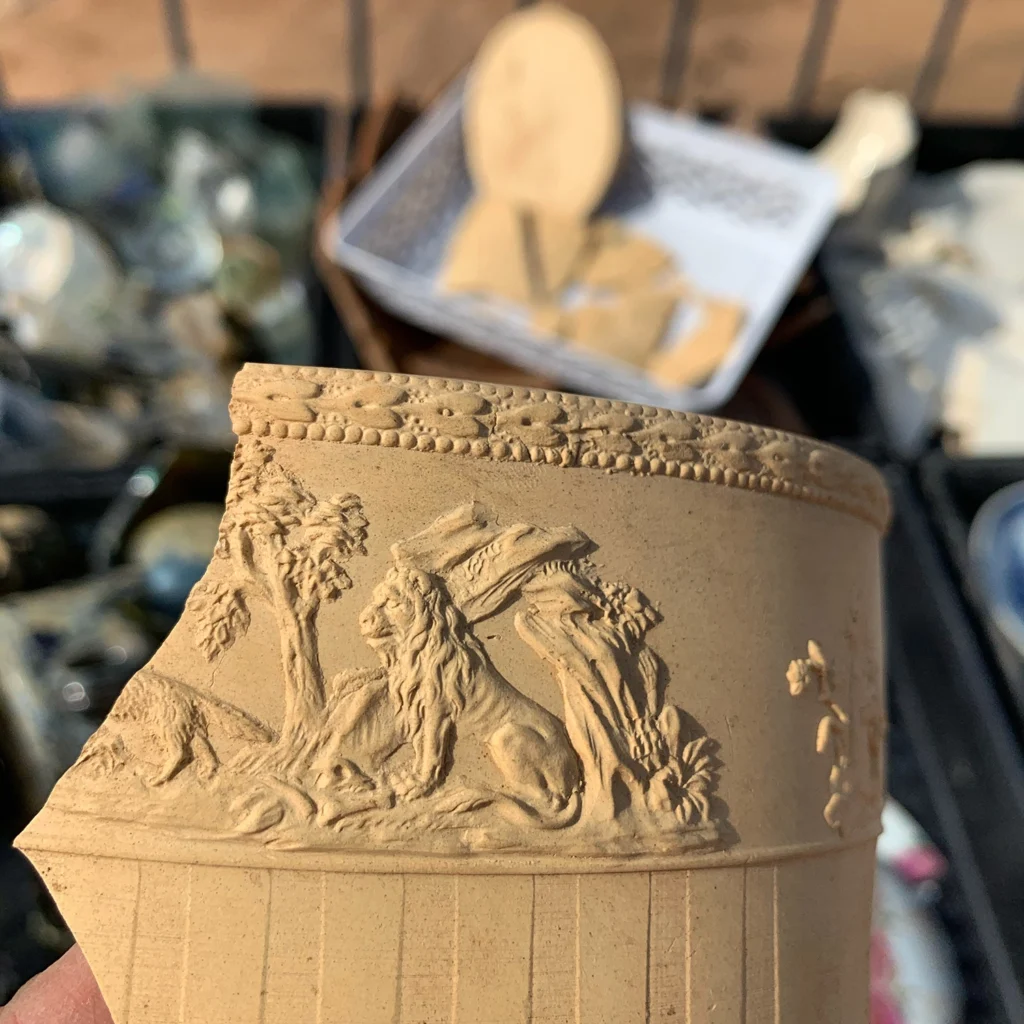
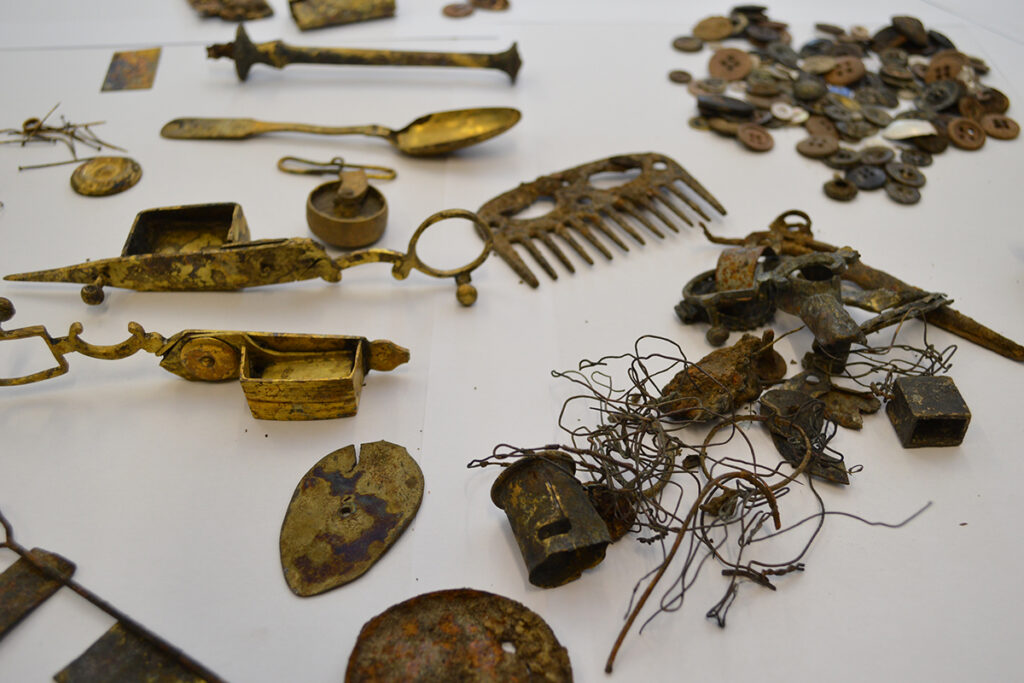
But what happens once historical relics or Aboriginal objects are recovered is far less certain. Across NSW, artefact collections generated through development and infrastructure projects have accumulated over decades, often without clear pathways for ownership, storage, access or long-term care, or notably for Aboriginal heritage a plan to return the objects to Country.
Current processes are rightly focused on upfront compliance: permits, methodologies, excavation controls and reporting. But these safeguards rarely answer what happens next.
Where will collections reside? Who will care for them? How will they be accessed, interpreted and conserved over time? Too often, these questions are deferred until after excavation, when funding, project momentum and client attention have already moved on.
The rise of ‘stateless’ collections
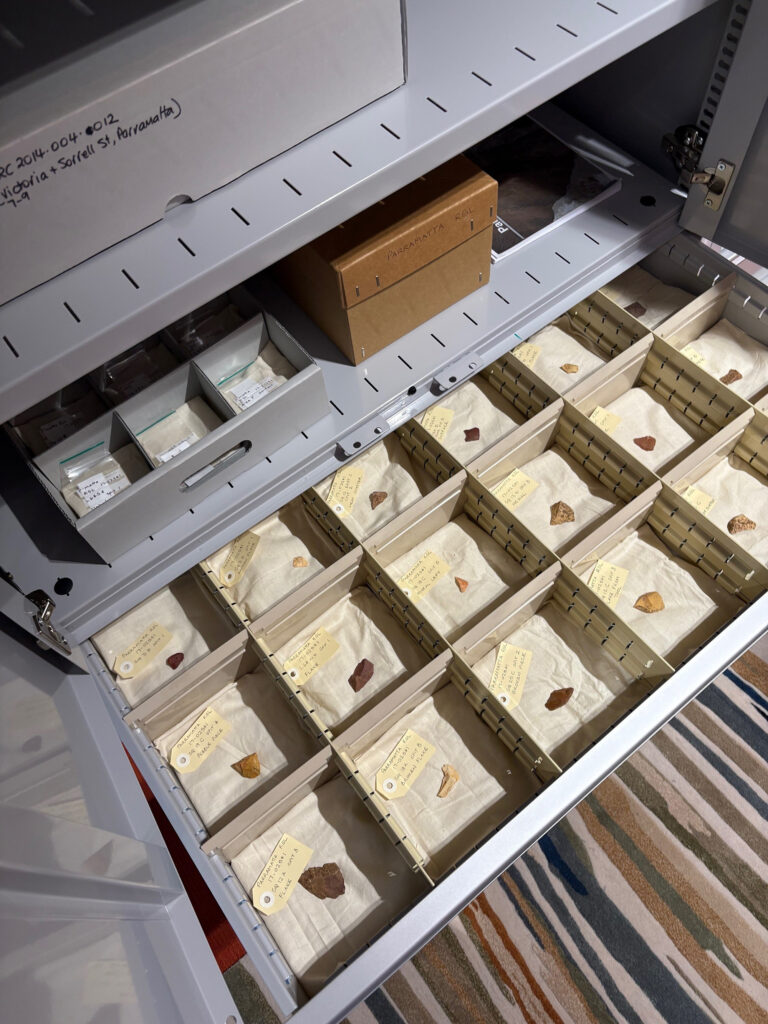
This gap is increasingly visible in practice. Archaeological collections are being held ‘in good faith’ by heritage consultants because no other pathway exists. Clients move on, projects close and organisations change, but the artefacts remain—boxed, catalogued and stored.
These are effectively ‘stateless’ collections: material with no clear owner, repository or funded future. Temporary storage becomes permanent, and opportunities for research, reanalysis, reinterpretation and comparison across sites and regions are diminished.
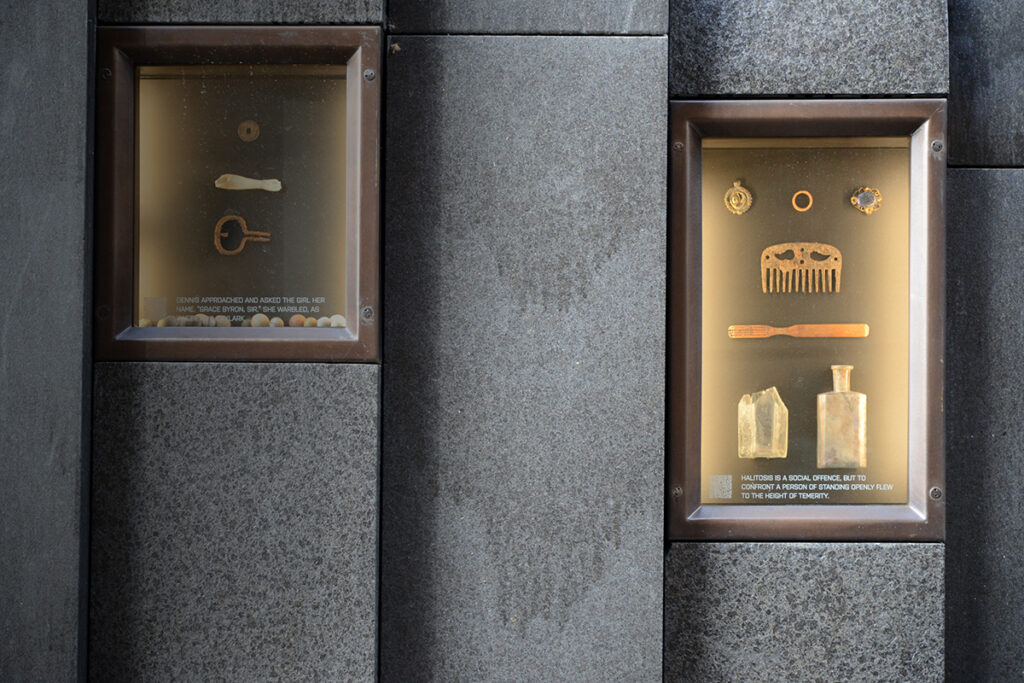
There is also a broader public cost. Without clear pathways into museums, archives or community-managed repositories, these collections remain largely out of public view, limiting their contribution to education and shared understanding of NSW’s history.
Compounding this issue, existing approval processes provide no clear mechanism for identifying where the assemblages from development-driven excavations are ultimately housed. Aside from collections held by major institutions and government-funded projects, much of the archaeological record is effectively invisible. Permit conditions may require artefacts to be retained, but there is no equivalent requirement to ensure they are discoverable and accessible.
As a result, storage alone becomes an end rather than a means of preserving and advancing knowledge, contributing to a fragmented archaeological record and limiting opportunities for comparative research and public engagement.
Aboriginal objects and cultural authority
The issue is particularly significant in relation to Aboriginal cultural heritage.
Aboriginal people are the rightful custodians of their cultural heritage, maintaining deep and continuing connections to Country. Yet under the National Parks and Wildlife Act 1974, archaeological objects are legally vested in the Crown once disturbed.
This creates a difficult tension, particularly as policy and practice increasingly recognise the importance of Aboriginal cultural authority and Aboriginal-led decision-making.
In practice, the situation can be complex. In some areas, who can speak for Country is contested, reflecting the ongoing impacts of dispossession and disrupted knowledge systems. Determining who should be consulted, who should make decisions and where material should ultimately reside is not always straightforward.
What is clear, however, is that the current system does not resolve these questions. Too often, Aboriginal objects remain in temporary storage with no clear pathway to culturally appropriate custodianship or community access.
An important part of this work is the growing use of care agreements, which provide a practical framework for recognising cultural authority and supporting appropriate stewardship of Aboriginal objects. These agreements help ensure that cultural knowledge, responsibilities and protocols are embedded in project delivery, strengthening partnerships and long-term outcomes.
Practice is falling behind policy
The problem is not new, but it is becoming harder to overlook.
The NSW Heritage Strategy calls for more inclusive, community-led approaches and stronger recognition of Aboriginal cultural authority. Proposed reforms to Aboriginal cultural heritage legislation also point toward more Aboriginal-led decision-making and management.
Yet practice on the ground has not kept pace. Compliance-driven excavation continues to generate material without clear, funded or appropriate end points, and without reliable pathways for research, access or community use.
Access, interpretation and control
A further inconsistency lies in how collections are expected to be used. Care and control agreements require secure storage and management of Aboriginal objects, including controls on movement and approvals. Yet consent conditions for major projects often also require interpretation, display and public engagement.
Both objectives matter, but they do not always align. Collections may be expected to be both controlled and accessible, without a clear repository, institutional partner, funding model or long-term access pathway to support that expectation.
Closing the gap
The solution starts with recognising collections management as part of the archaeological process, not an afterthought. If excavation is required, long-term custodianship should be considered, funded and planned from the outset. This means identifying clear repository pathways early, funding long-term care, not only excavation and reporting, and keeping collections accessible for research, education and community use.
For Aboriginal cultural heritage, engaging Aboriginal stakeholders meaningfully from the outset, and establishing agreed pathways for return to Country, including identifying culturally appropriate locations that are accessible to Community and protected from future disturbance.
Without this shift, NSW will continue to produce archaeological collections without a clear, culturally appropriate or sustainable future.
The question is no longer simply how we excavate archaeology. It is how we take responsibility for what we uncover.