Local character and heritage conservation areas: understanding the difference
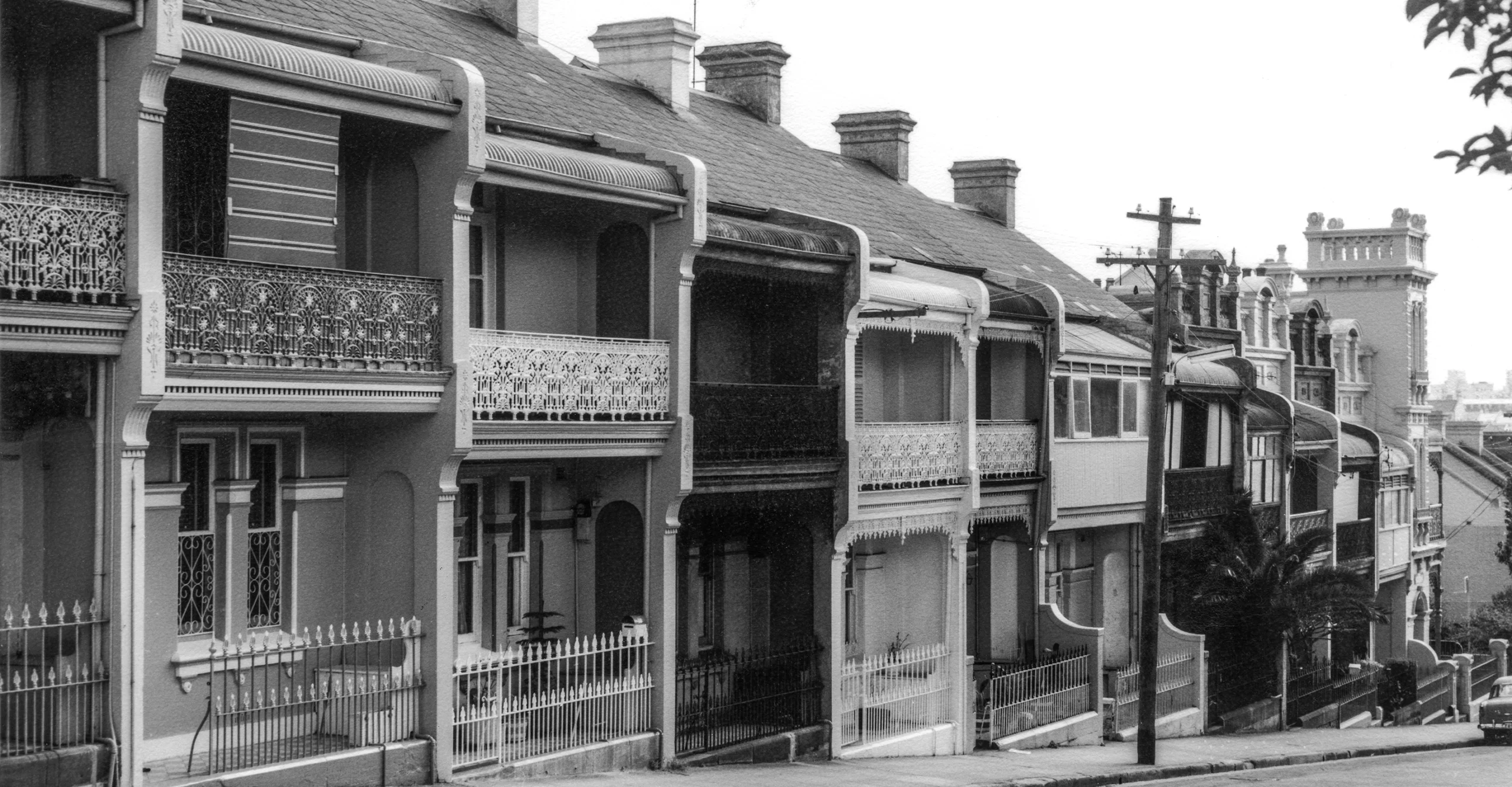
Terrace houses, Brown Street Paddington, 1966. Photo: City of Sydney Archives
Heritage conservation areas and local character both influence how our urban places evolve, but they do so in distinct ways, writes CEO Sharon Veale.
Urban planning in Australia uses both heritage conservation areas (HCAs) and local character to manage change while retaining valued qualities of the built environment. While they share a common goal—maintaining distinctive place-based identity—they differ in purpose, legal status, and levels of protection. Character relates to the ‘look and feel’ of an area, created through the interplay of the natural environment, including topography, landscape, plantings, subdivision patterns, architectural styles, buildings, and activities, etc. All areas have character, and it is the diversity and difference and distinctiveness in local places that should inform the desired future character of places in planning and design.
Heritage conservation areas (HCAs)
Local character is distinct from HCAs. HCAs are formally designated under statutory planning instruments such as Local Environmental Plans (LEPs). They identify areas of heritage significance, often encompassing multiple properties, including heritage items, streetscapes, and landscapes that collectively demonstrate historical, aesthetic, and social values. Development within HCAs is subject to development controls to conserve the significant values of the HCA.
In New South Wales, HCAs are mapped and described in LEPs, and mostly, demolition, alterations and additions require development consent. Buildings are often classified as contributory, neutral, or detracting to guide permissible changes. Though not all council have contribution mapping.
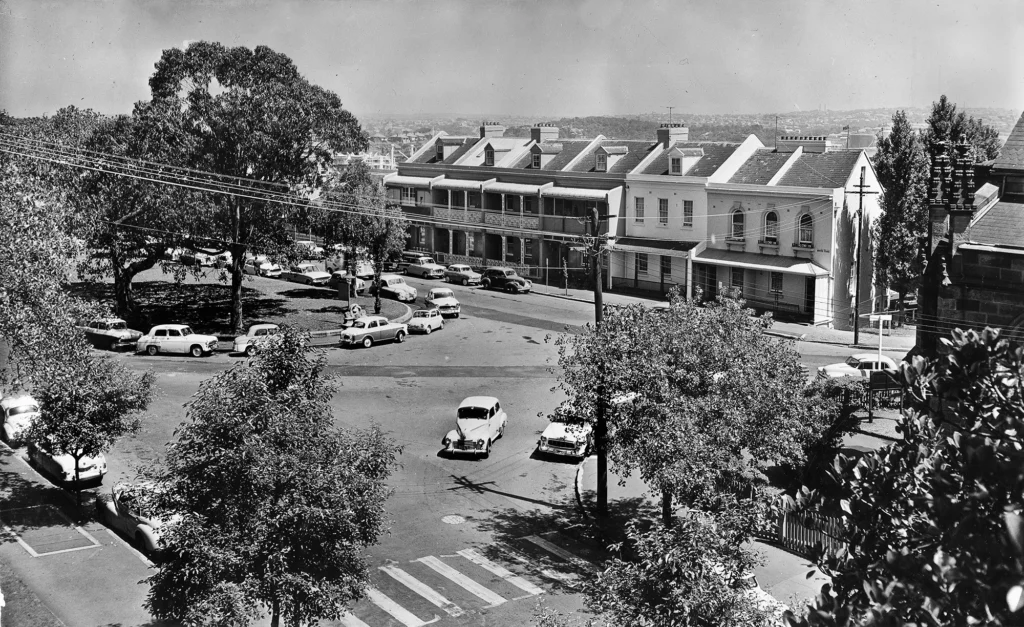
Paddington and Millers Point are well-known inner-city HCAs. Paddington’s subdivision pattern and diversity of Victorian terraces form a cohesive historic precinct with significant historic and aesthetic values, while Millers Point reflects Sydney’s maritime working history and heritage. In both cases, planning controls aim to manage change to retain streetscapes, building forms and significant historic fabric, ensuring the significant cultural values remain evidenced.
Character areas
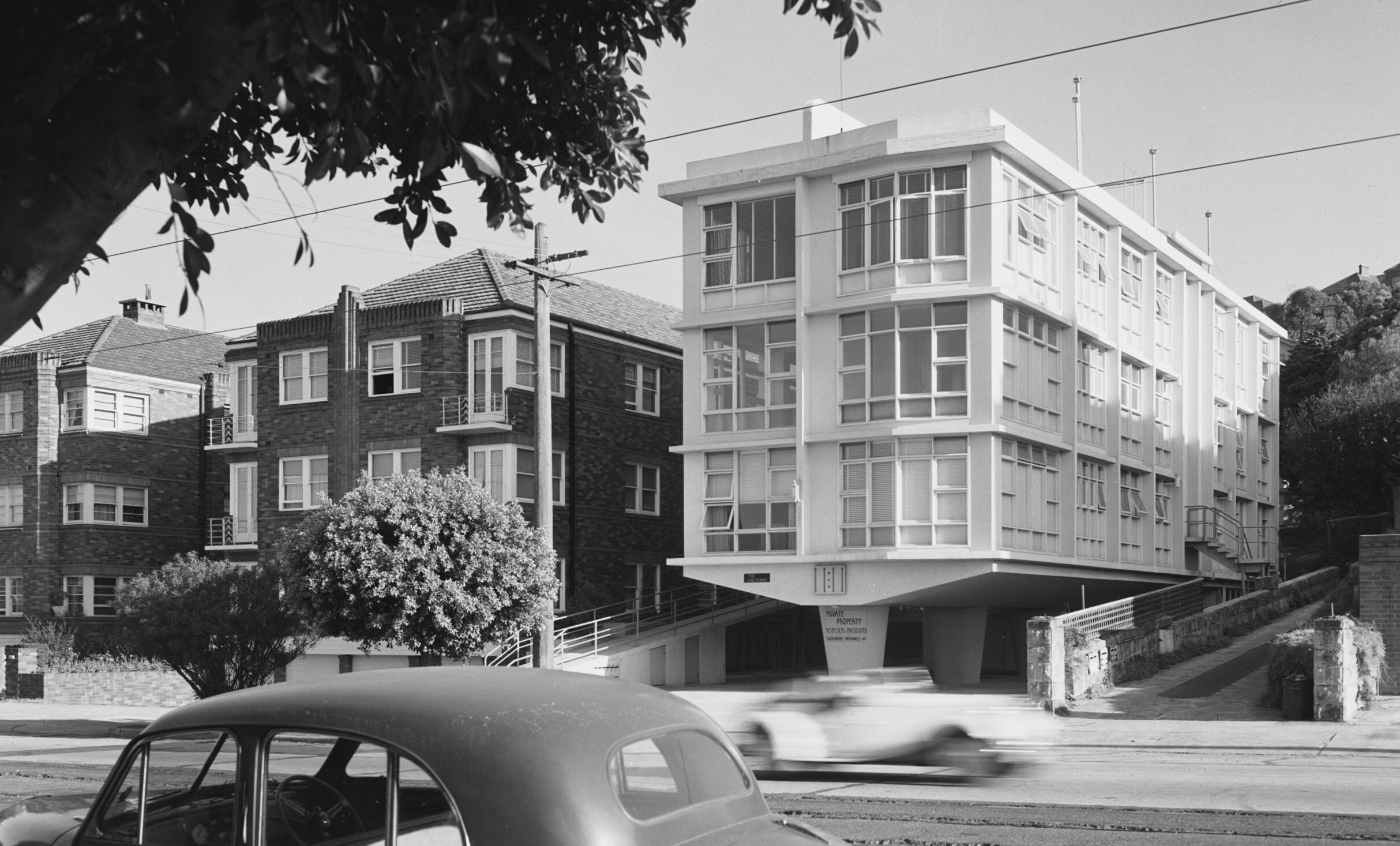
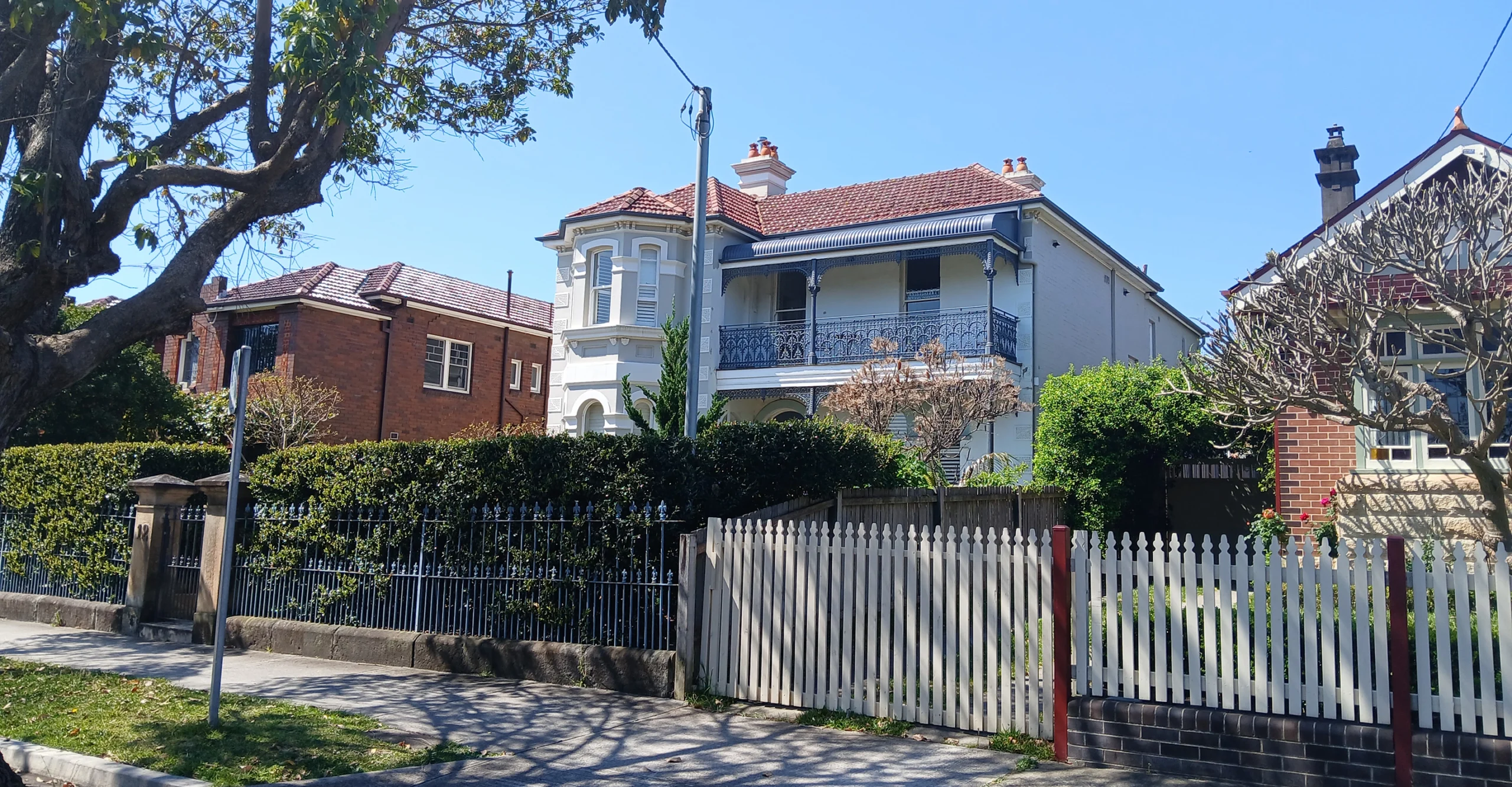
Character areas, by contrast, focus on visual and contextual qualities rather than formal heritage significance. They aim to retain the distinctive look and feel of a locality—such as building scale, roof forms, and streetscape rhythm—without necessarily protecting individual heritage items. Controls are generally less prescriptive, allowing sympathetic adaptation while maintaining overall cohesion. These areas often arise from community planning objectives and are embedded in Development Control Plans rather than heritage legislation.
In short, the key difference between HCAs and character areas, is that HCA’s protect significant heritage values, while character areas safeguard neighbourhood identity through design-based planning controls. Both play vital roles in shaping sustainable, culturally rich urban environments—ensuring that as cities evolve, their historical evolution, stories and sense of place endure.
Best-practice management for guiding change—ensuring local character is strengthened and heritage conservation areas are protected—relies on a combination of strategic planning tools, integration with broader urban planning and design frameworks, transparent governance supported by clear and defensible documentation, and the involvement of qualified expertise alongside meaningful community engagement.

‘HCA’s protect significant heritage values, while character areas safeguard neighbourhood identity through design-based planning controls. Both play vital roles in shaping sustainable, culturally rich urban environments.’