Max Dupain: architecture, archives and enduring connections
Head of Heritage Places, Rebecca Hawcroft, reflects on Max Dupain’s enduring legacy and his contribution to documenting Australia’s architectural history.
The new State Library of NSW exhibition Definitive Dupain draws on the library’s remarkable collection of more than 250,000 images by renowned photographer Max Dupain.
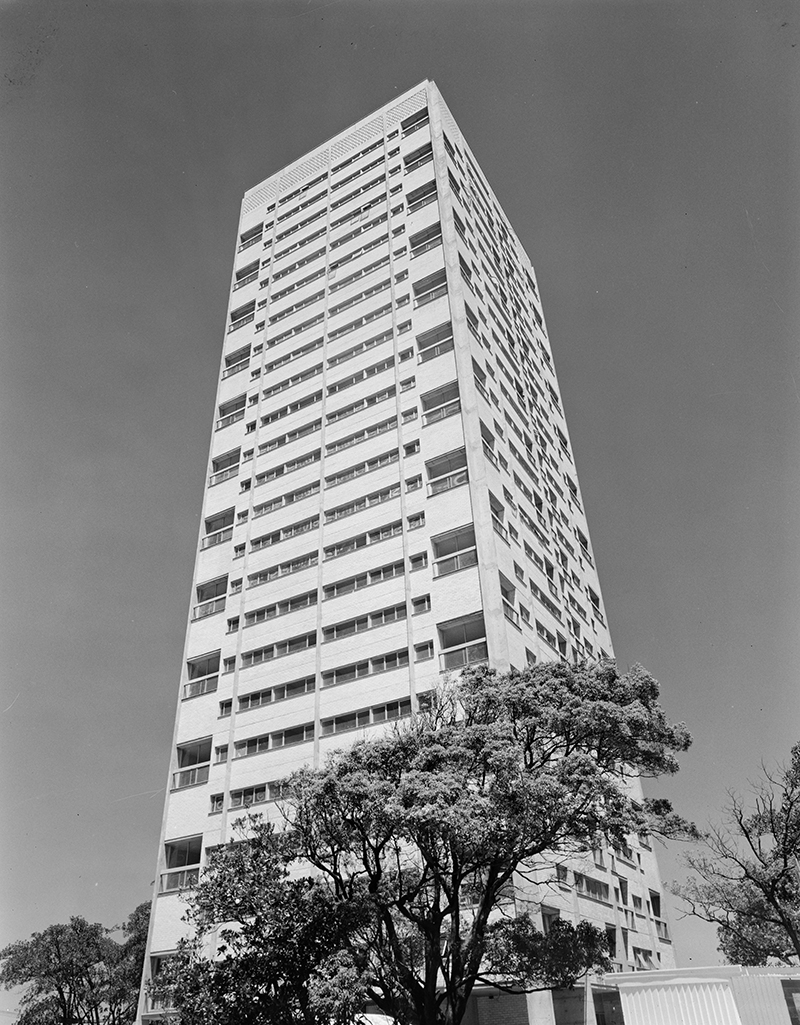
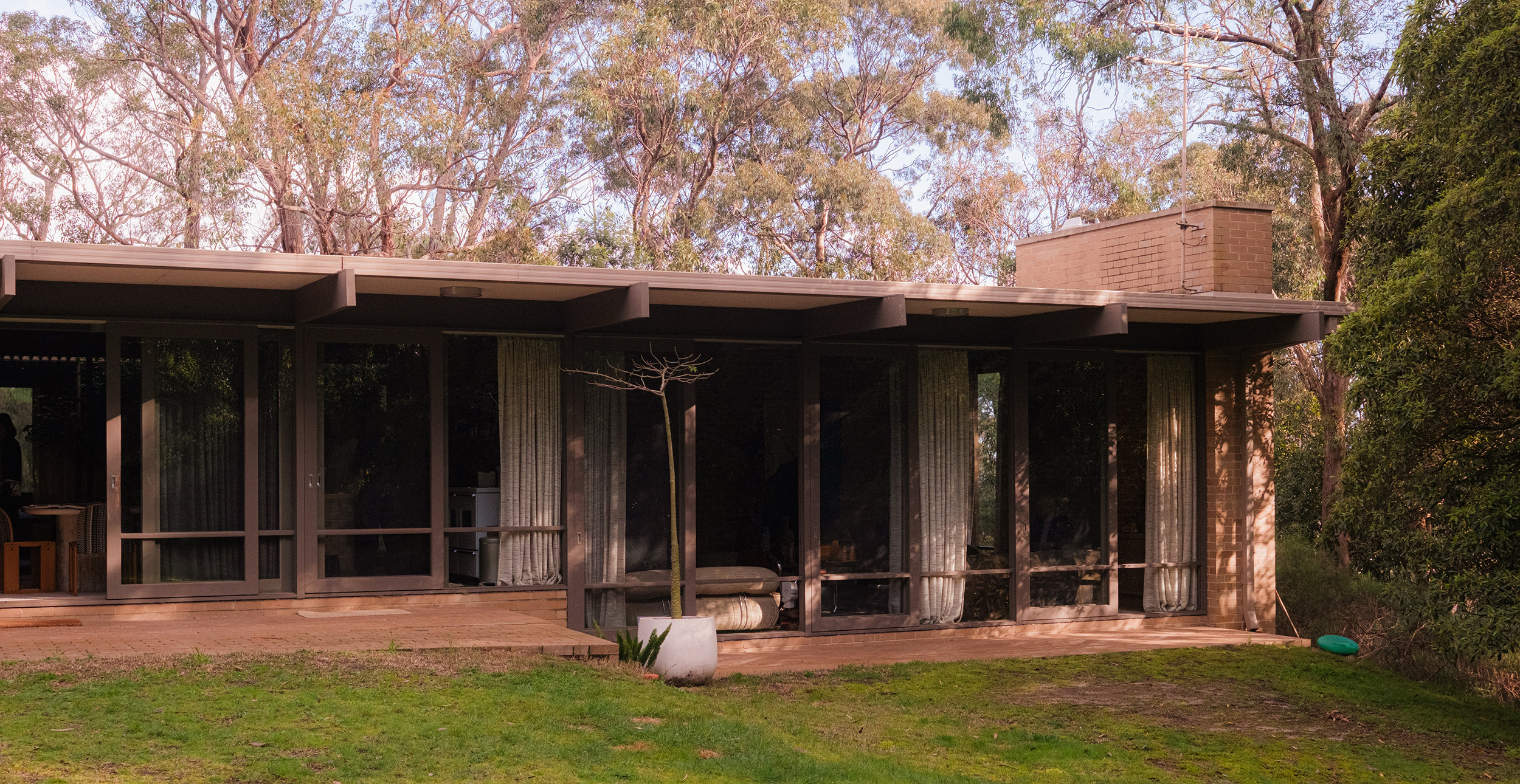
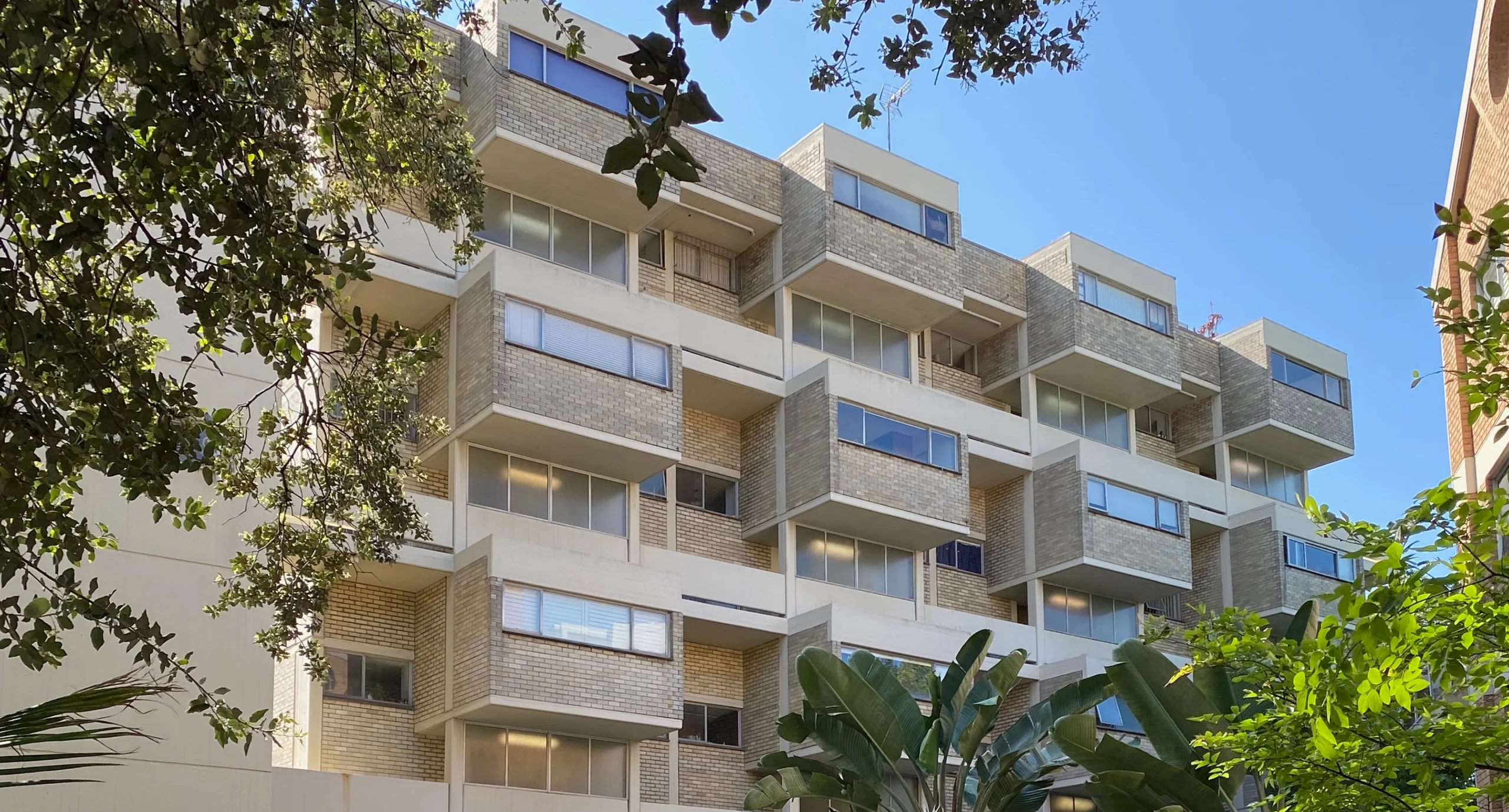
From the 1920s until his death in 1992, Dupain recorded a remarkable range of Sydney subjects, including—most importantly for those interested in twentieth-century architecture—the city’s buildings. In the postwar years, he recognised his particular talent for architectural photography and developed it into a substantial part of his commercial practice. His collaboration with Harry Seidler was especially fruitful, but he became the photographer of choice for many architects. As a result, the collection provides an extensive record of new architecture from the postwar period onwards.
When I was researching little known émigré architects in the 2010s a key moment came when Dupain’s last employee and partner, Eric Sierins searched the job list of the Max Dupain & Associates archive, which he still held at the time. The search produced more than 60 pages of projects including architect’s names, addresses and publication details. Given the vagaries of attribution and other factors, it revealed more information about the architects of this period than was available anywhere else.
Definitive Dupain explores the breadth of Dupain’s achievements, including many images that stand as beautiful works of art. His career spanned the early development of modern art photography, the flowering of commercial opportunities and their later decline. During my research, Sydney architect Stephan Gergely recalled that, in the final decades of Dupain’s career, the photographer would call him—and presumably other architects—to say, ‘Hey, I am still here.’ The recollection is a reminder that photography has always been a tough profession.
Although the field of photography evolved, the exhibition demonstrates the scale of Dupain’s legacy and shows that living connections to his work remain. Eric Sierins attended the opening and retains deep knowledge of the collection. Penelope Seidler spoke about Dupain’s work with Harry Seidler, while photographer Sally McInerney represented another important connection: she is the daughter of Dupain’s collaborator Olive Cotton. Dupain’s recent biographer, Helen Ennis, was also present.
Through its rich selection of images and the living connections surrounding them, Definitive Dupain demonstrates an archive at its best: a resource that continues to link architectural history, research and personal memory.
Definitive Dupain is now on at the State Library of NSW.
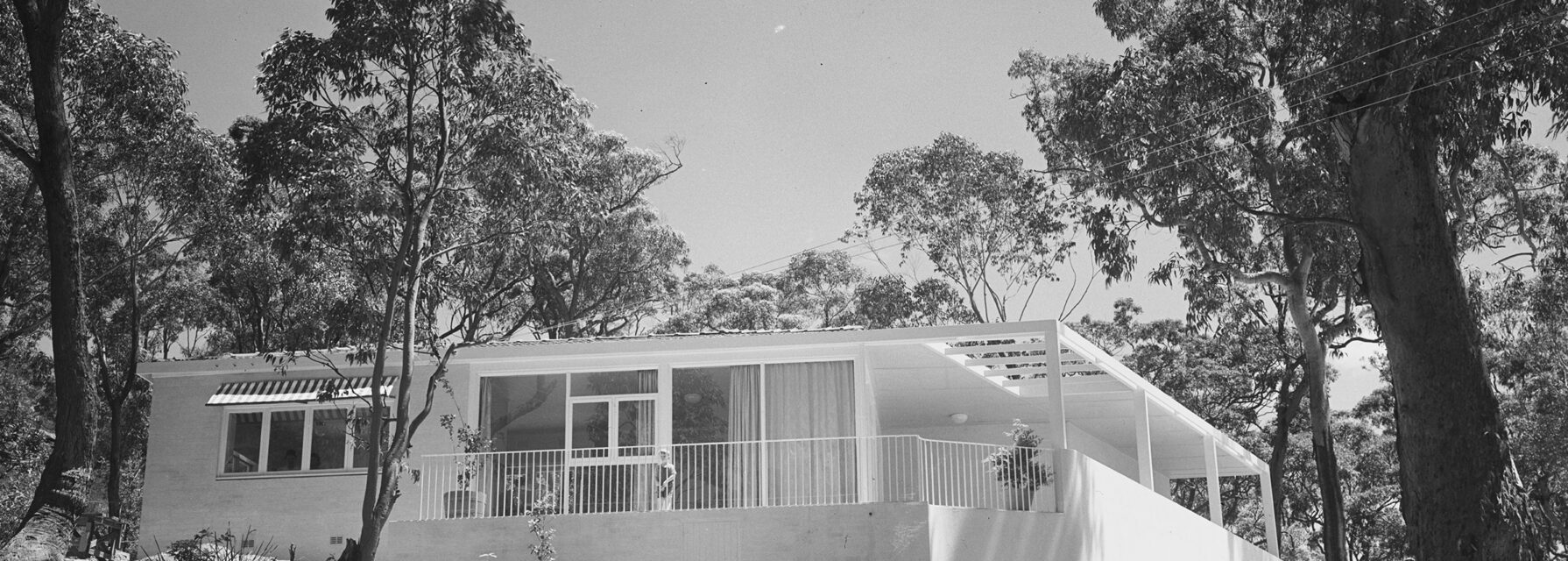
Main image: W.R. Hamill house, Gordon, built 1948-49, ca. 1949, photograph by Max Dupain. Photo courtesy Mitchell Library, State Library of New South Wales.