Digital heritage training in Nepal
In January 2026, senior heritage consultant Chairim Byun attended the CIPA Heritage Documentation School in Nepal. She reflects on the experience and the evolving role of digital technologies in documenting cultural heritage.
The CIPA Heritage Documentation School is organised by the ICOMOS International Committee for Documentation of Cultural Heritage (CIPA), a joint initiative of ICOMOS and the International Society for Photogrammetry and Remote Sensing (ISPRS), and brings together heritage professionals from around the world to explore emerging approaches to documenting cultural heritage.
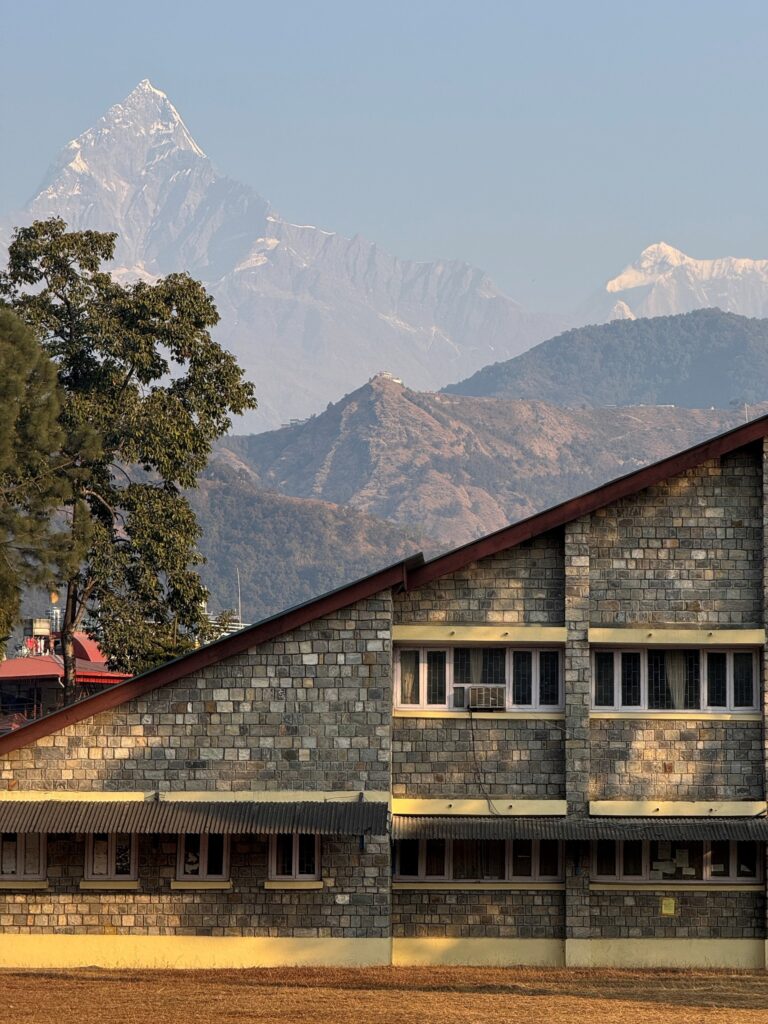
Set in the lakeside city of Pokhara at the foothills of the Himalayas, the program was hosted by Institute of Engineering of Tribhuvan University Pashchimanchal Campus and combined lectures with field-based exercises exploring contemporary methods for recording heritage places. Participants were introduced to the technical principles and current applications of digital documentation methods such as photogrammetry, terrestrial laser scanning (TLS) and UAV-based survey, alongside talks and discussions about how these techniques are being applied in heritage documentation and conservation projects internationally. The program was led by internationally recognised experts in heritage documentation, who shared practical insights from their work across a wide range of cultural heritage contexts.
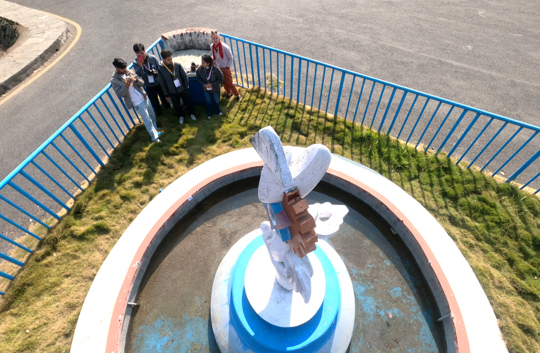
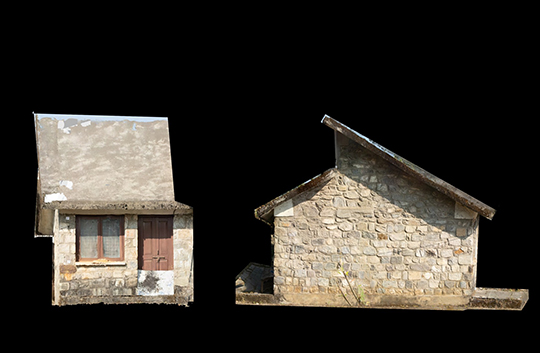
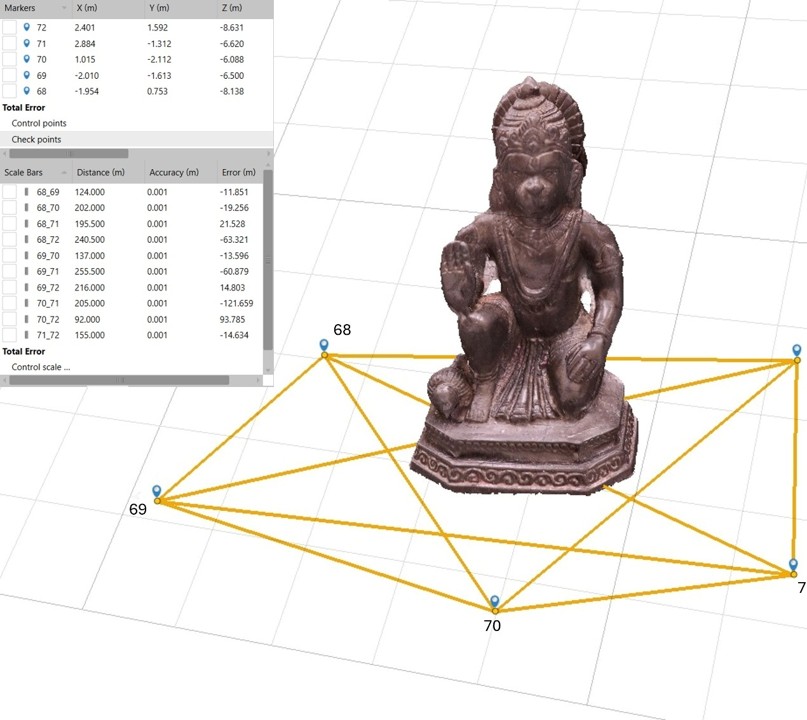
A central component of the program involved fieldwork documenting heritage structures and objects of various scales around the campus and nearby areas. Working in small teams, participants planned surveys, captured images and datasets, and processed them into digital models, providing hands-on experience with the full documentation workflow. These exercises demonstrated how digital recording workflows can support the documentation of heritage places while being adapted to specific project needs and site conditions.

The program also included presentations by Nepal’s Department of Archaeology and technical experts working on heritage surveys across Nepal and internationally, including projects documenting sites affected by the 2015 earthquake. These discussions highlighted the importance of reliable spatial documentation in post-disaster recovery and long-term conservation planning.
Beyond the technical training, the program offered valuable opportunities for professional exchange and international collaboration. Participants from different disciplines, including architecture, archaeology, governance, geomatics and heritage and conservation, shared approaches to documentation and conservation practice in their respective regions and fields. Informal events, including a cultural evening featuring traditional Nepali food, music and dancing, provided a glimpse into local traditions and created a setting for building connections within the international heritage community.
The experience highlighted the growing role of digital technologies in heritage practice and offered valuable insight into international approaches to heritage documentation, while also strengthening professional networks across the global heritage community.