Metro excavation brings Parramatta’s past to light
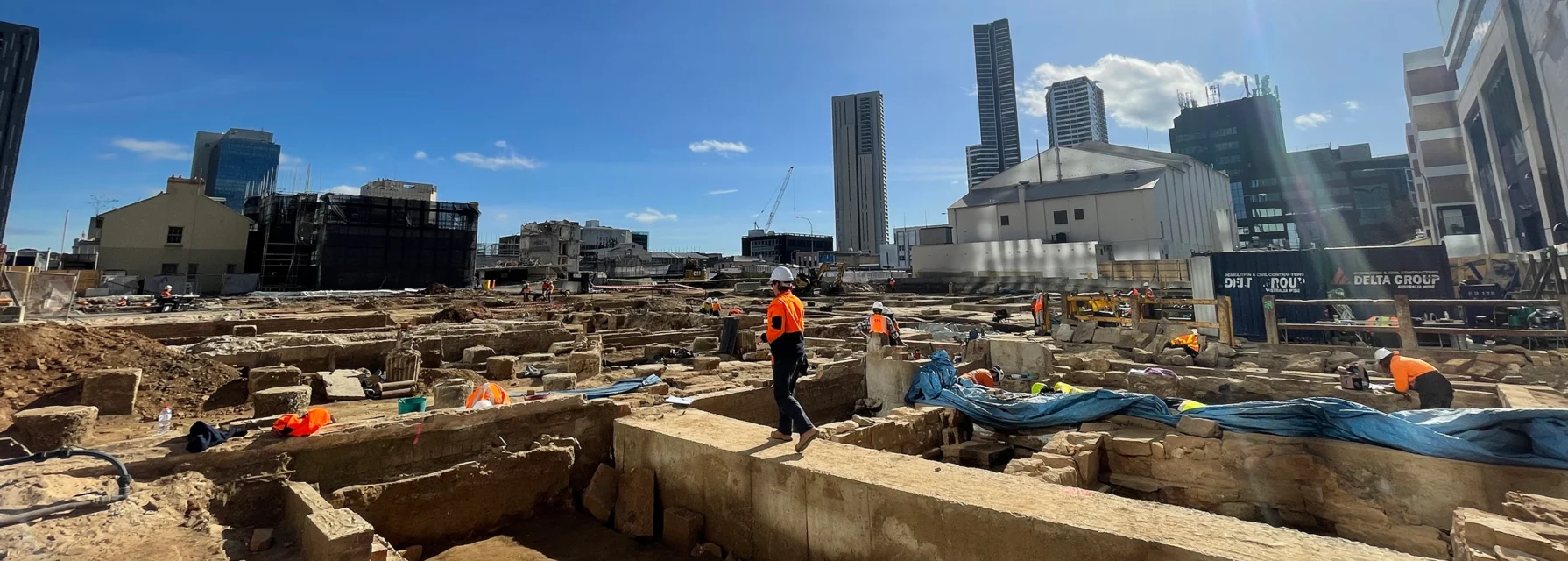
The Sydney archaeology team has recently completed one of the largest archaeological excavations ever undertaken in NSW for Sydney Metro West, covering almost an entire city block — 23,000 square metres — in Parramatta’s CBD.
Conducted over four years from 2022, the Parramatta metro station excavations offered rare insights into the area’s deep-time First Nations history and its evolution from an early colonial township to a modern city.
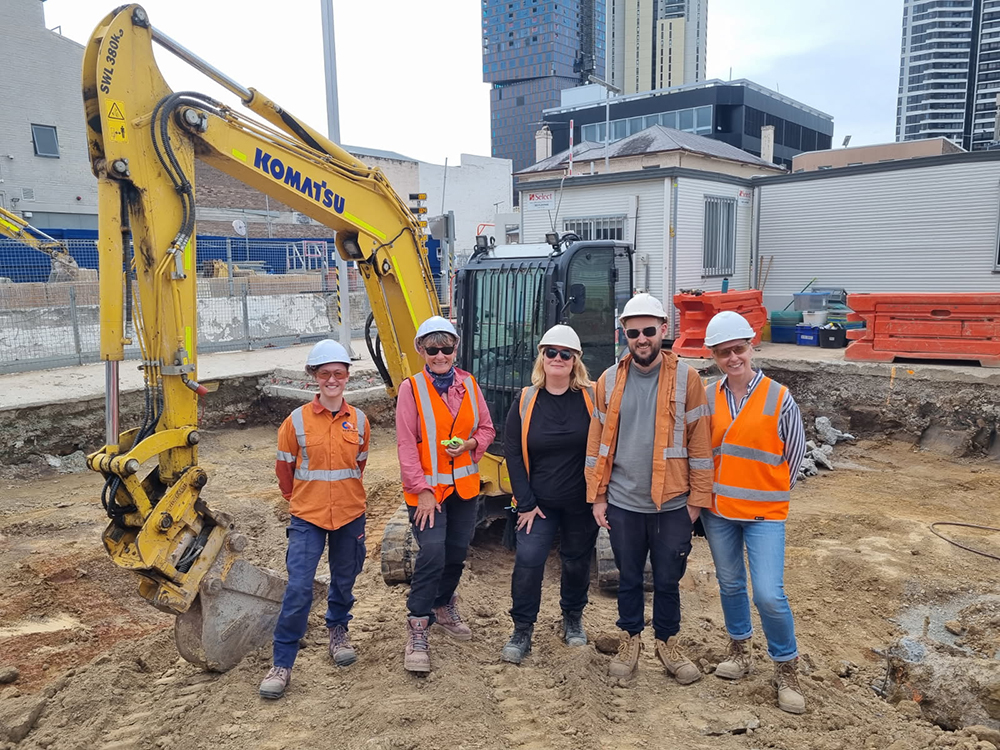
Led by GML’s excavation director, Abi Cryerhall, more than 100 archaeologists, specialists and First Nations representatives spent almost 1,000 days (over 83,000 hours) recording thousands of archaeological deposits and features and recovering around 120,000 artefacts.
“The station’s construction provided a rare opportunity to deepen our understanding of Parramatta’s significance to First Nations people, and to trace its transformation from an early colonial township into the modern city it is today — through its many phases as an agricultural and convict settlement, a free-market town and, by the late nineteenth century, an urban centre,” explained Abi.
During the Holocene period (the last 10,000 years) alluvial sediments may have formed wetlands across the site. Archaeologists expected to find stone artefacts associated with Aboriginal use of wetland resources. The investigation ultimately uncovered around 600 Aboriginal artefacts, primarily stone tools and several worked-glass objects connected to the Burramattagal people and other First Nations communities with enduring ties to the area.

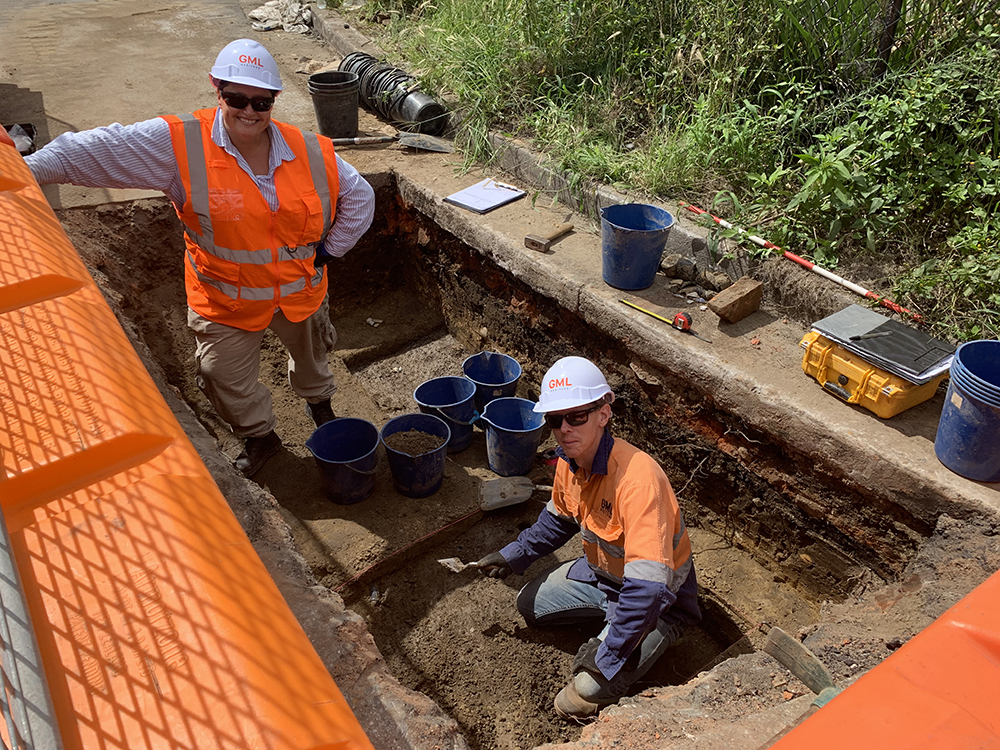
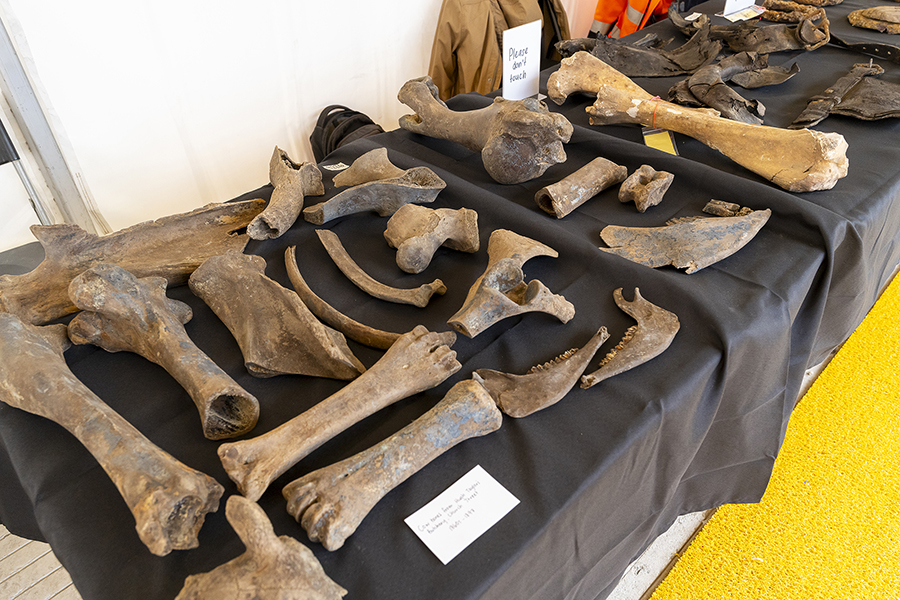
The historical artefacts uncovered provide material evidence of the daily lives of many thousands of convicts, settlers and residents who lived and worked in the block between the 1790s and early twentieth century.
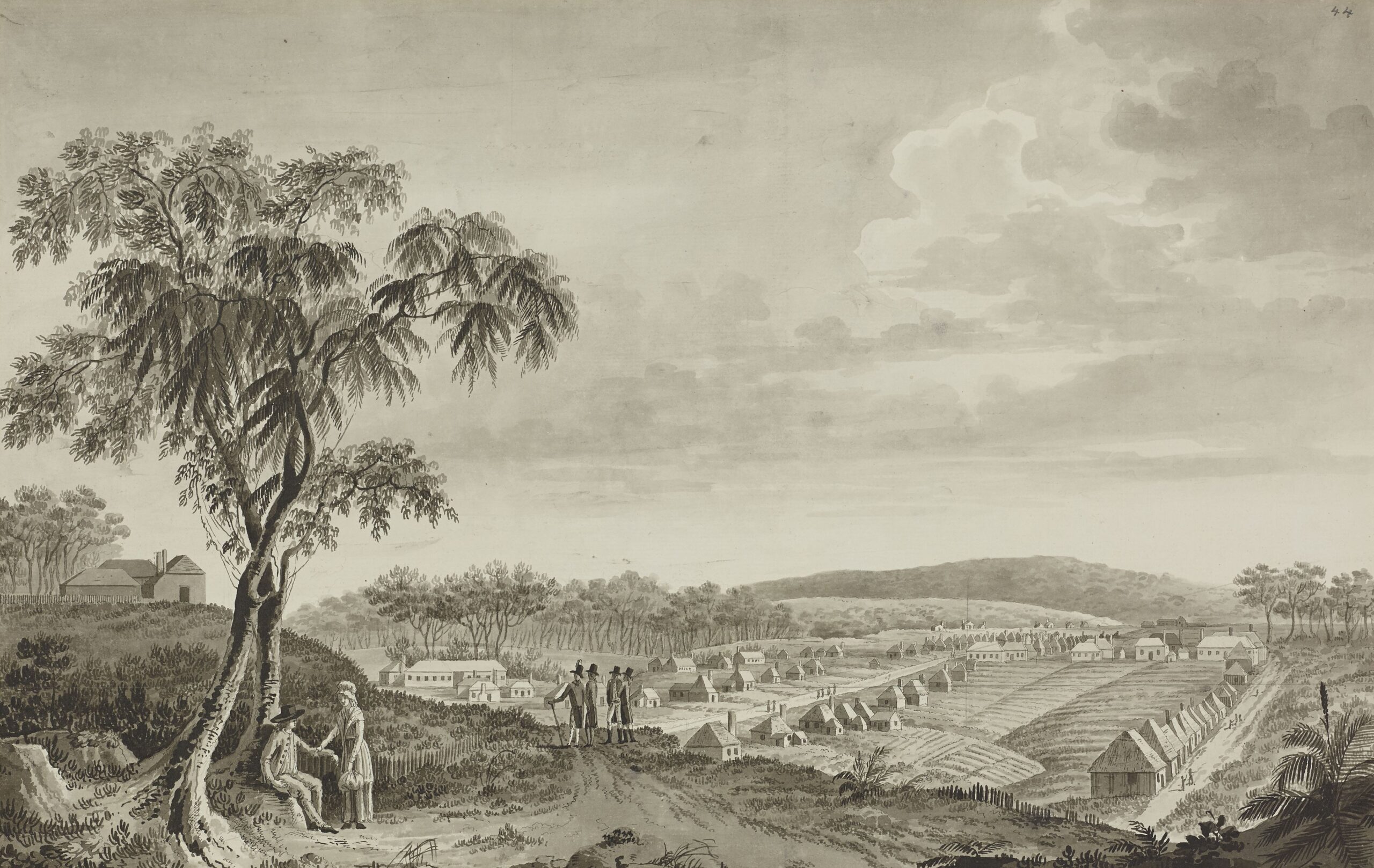
The metro station site lies within Parramatta’s historic core and the original town grid laid out between 1790 and 1792. It once contained five convict allotments — four on George Street and one on Church Street. As Parramatta evolved, settlers and emancipists adapted and extended the original huts, with some eventually replaced by cottages and businesses. Excavations revealed three of these convict huts, including the remains of simple timber structures and a more substantial brick hut built around 1790.
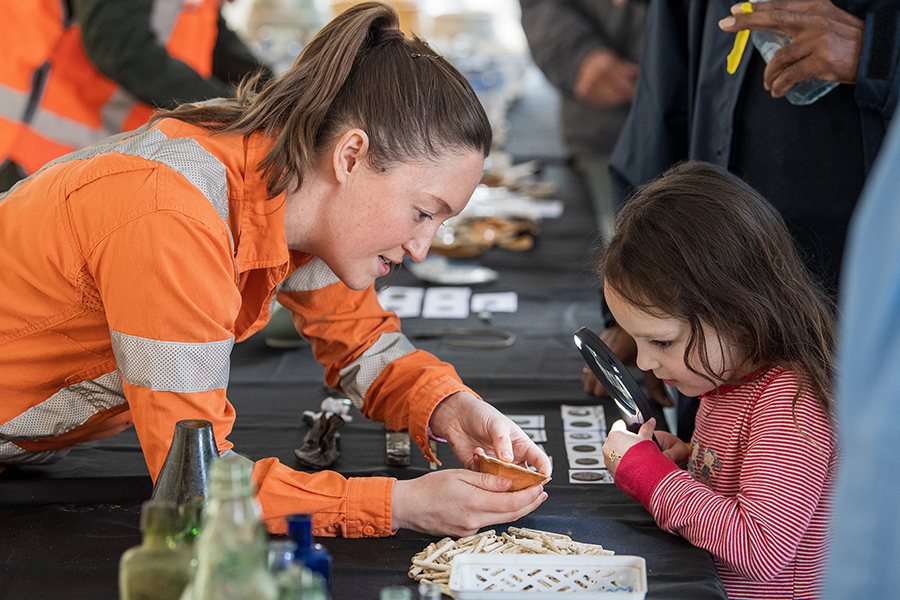
Key historical finds included evidence of early convict-era cultivation, the first archaeological evidence of local pottery manufacture in Parramatta, and the 1804 footings of Sarah Brabyn’s brick cottage. Sarah was one of only a handful of women officially granted a property lease in the early colony.
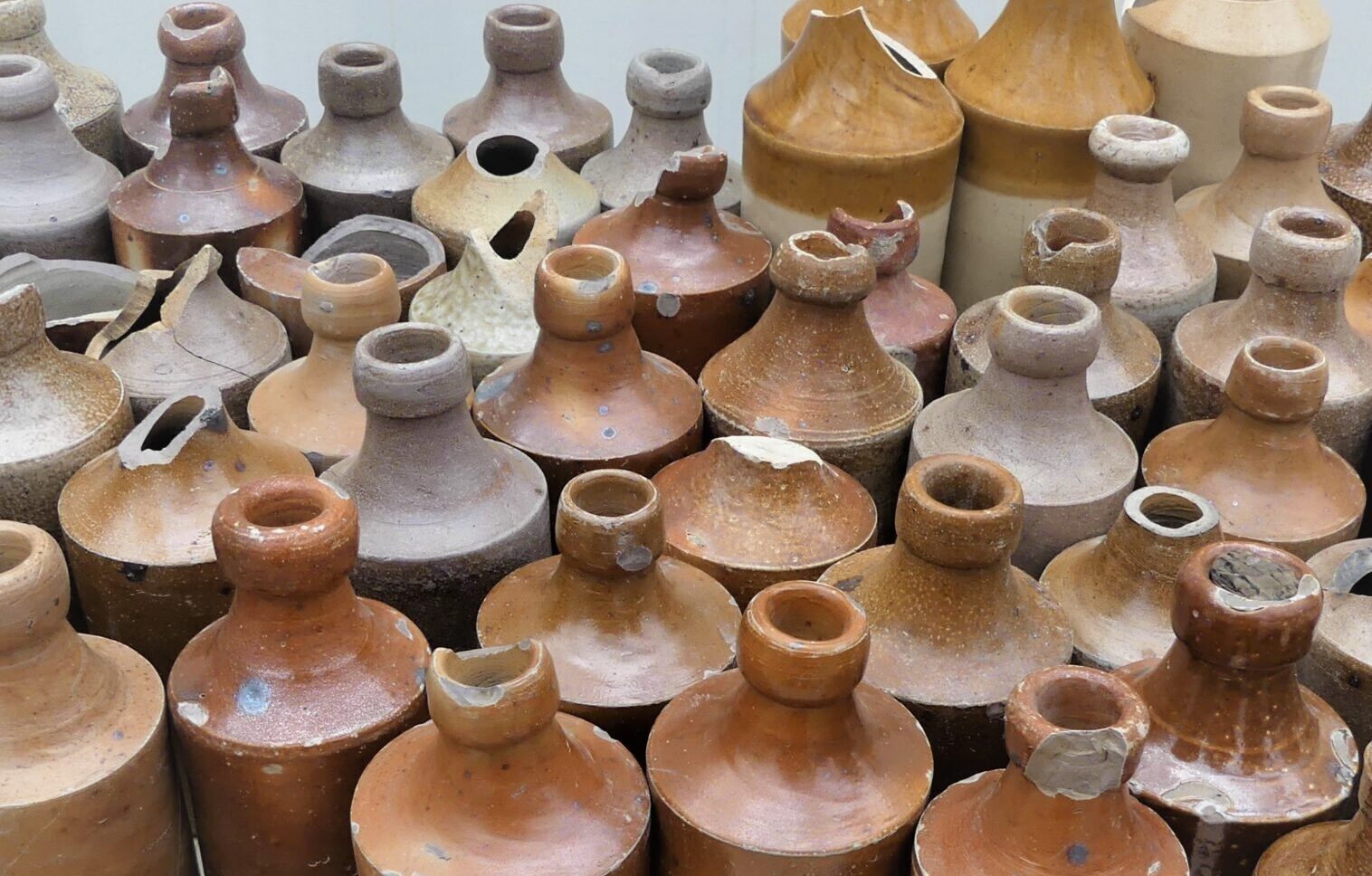
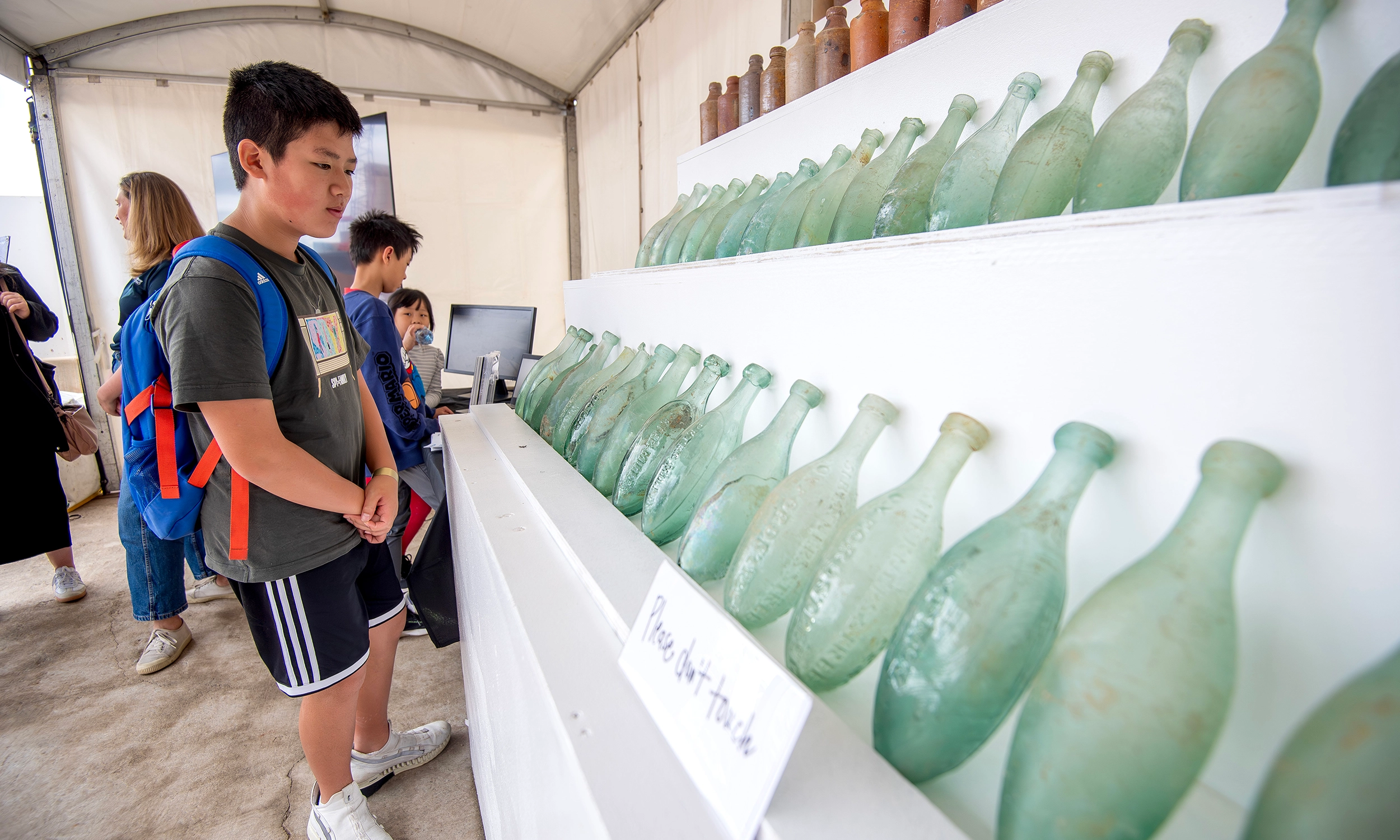
The team also uncovered more than 10 wells and cisterns containing household artefacts, a large early nineteenth-century pond later backfilled with thousands of bottles from a neighbouring cordial factory, and remains of Ritchie’s Ironworks, which manufactured railway rolling stock in the 1870s.
With the excavation now complete, the artefacts and samples will be analysed by specialists. The results will inform GML’s research and reporting before the artefacts are returned to Sydney Metro for long-term storage.
Aerial footage of the archaeological investigations at the Sydney Metro West construction site at Parramatta.