What is toxic heritage?
In October GML staff attended the ACAHUCH Symposium on Toxic Heritage, exploring the complex challenges of managing hazardous and emotionally sensitive heritage places.
What is toxic heritage?
At the ACAHUCH Symposium at the University of Melbourne presenters shared diverse case studies from identifying and managing hazardous construction materials, to caring for contaminated objects in museum collections and archaeological sites, to adapting former industrial places and responding to sites marked by trauma and human suffering.
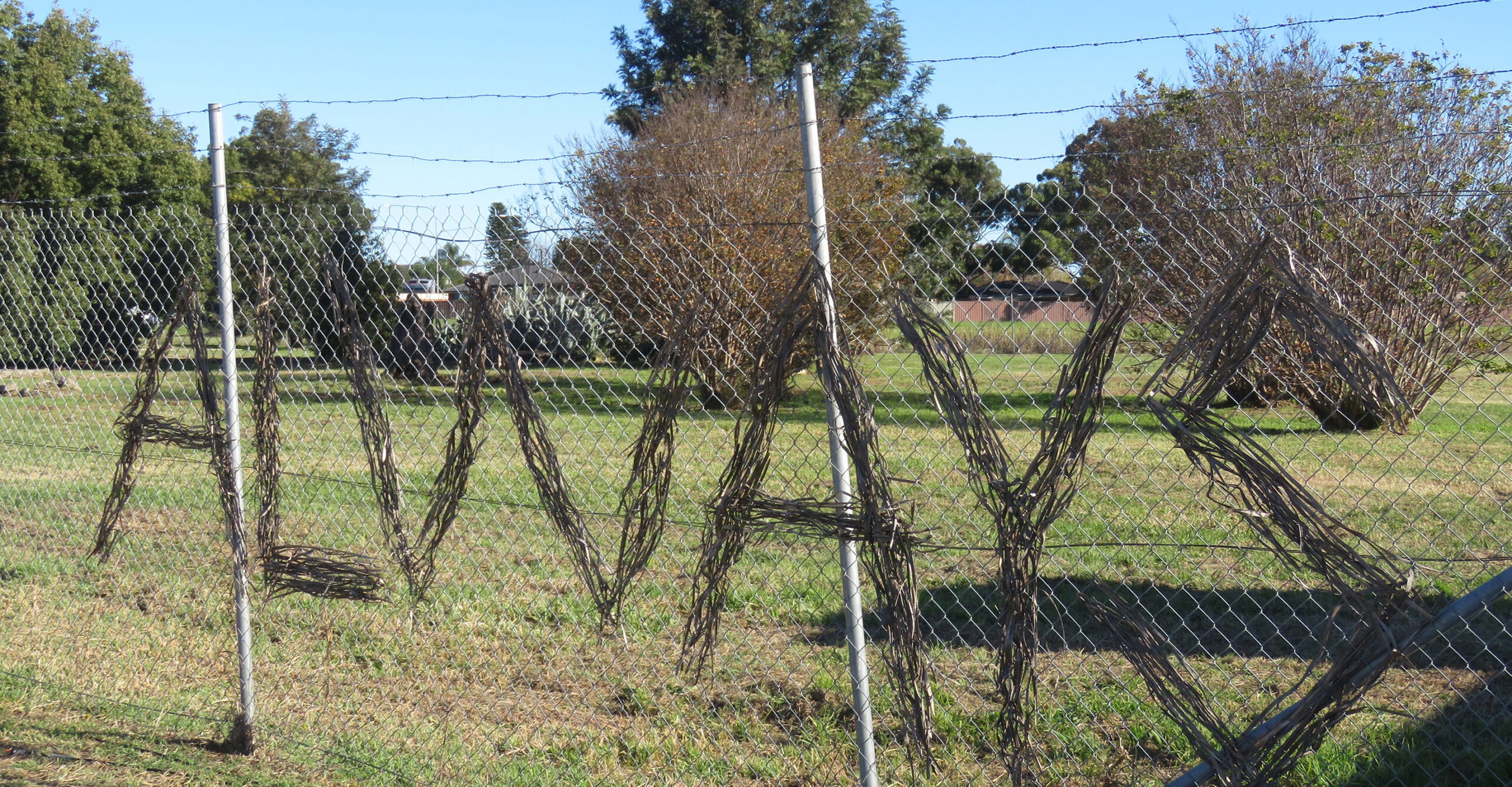
A clear theme emerged: achieving positive heritage outcomes requires carefully balancing conservation with human safety. Depending on the site, that might mean managing physical risks through specialist hazardous-materials audits, environmental testing, and close collaboration with hygienists. For others, particularly sites marked by trauma or injustice, the priority is supporting emotional wellbeing and creating space for truth-telling and healing. Case studies such as the Kinchela Aboriginal Boys Home (Alan Croker of Design 5), and the Dhoombak Goobgoowana project (Ross Jones and James Waghorne of the University of Melbourne), illustrated the sensitivity required in navigating these layers of harm.
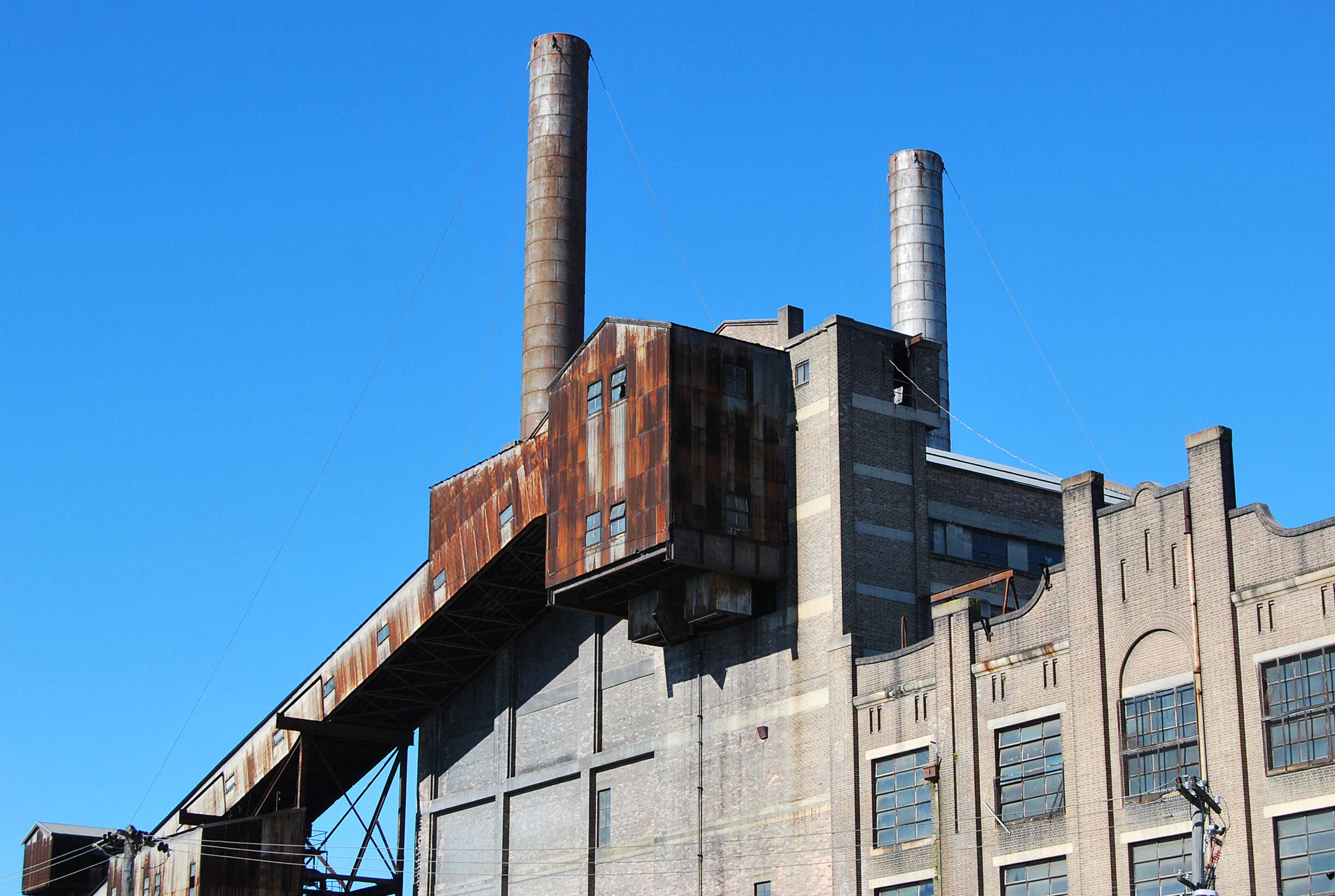
White Bay Power Station, now a vibrant arts and cultural precinct, demonstrated what is possible when complex industrial legacies are addressed with care, expertise and creativity.
Asbestos remains the most widely recognised hazard in heritage buildings. Yet, the symposium highlighted the broad spectrum of toxic issues practitioners must consider: chemical contaminants absorbed into building fabric, hazardous residues on archaeological sites, unstable materials within collections, and the ongoing challenge of keeping people safe while protecting significant fabric. These risks extend beyond asbestos to include lead-based coatings, petrochemical residues, unstable plastics, mould, and even biological hazards embedded in historic materials.
For GML staff attending, the day offered a compelling reminder of the complexity of working with ‘toxic heritage’ and the essential role of collaboration, rigorous assessment, and nuanced decision-making in managing these difficult places.