City of Melbourne launches new heritage strategy
The City of Melbourne has released its Heritage Strategy 2026: Stories of People and Place, setting a new direction for how the city will understand, protect and celebrate heritage over the next decade.
The strategy marks an important shift in how heritage is framed and valued, moving beyond a narrow focus on buildings and controls to position heritage as something shaped by people, culture and lived experience.
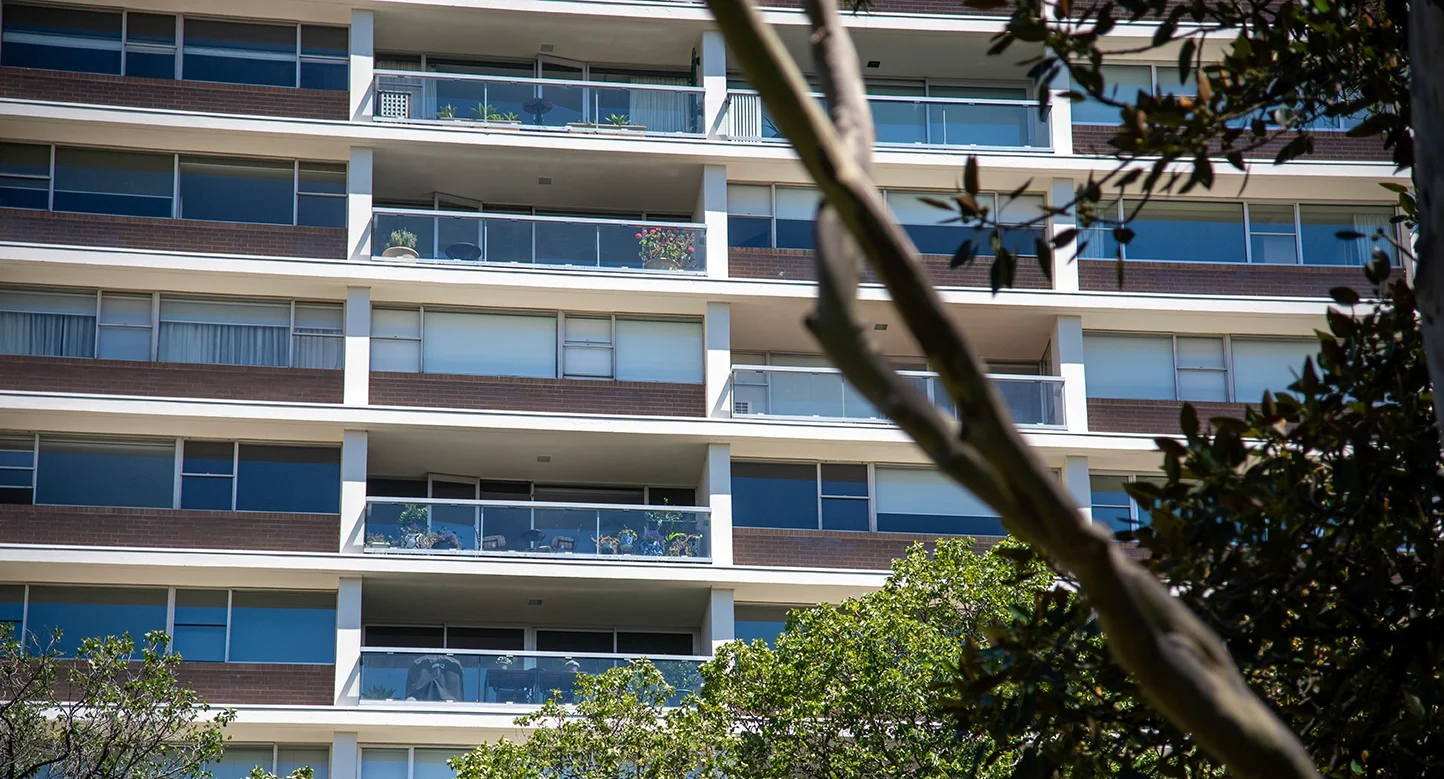
Responding to a city undergoing significant change — including housing pressure, economic transition, climate risk, multicultural identity and the recognition of Aboriginal cultural heritage — the strategy adopts a broad and inclusive definition of heritage. Developed through extensive consultation with residents, businesses, Traditional Owners and industry partners, it reflects the City of Melbourne’s commitment to a genuinely people‑centred approach grounded in connections to place and story.
Importantly, the strategy positions heritage as an active contributor to Melbourne’s future rather than simply a legacy of the past. As the city continues to grow and evolve, heritage management is framed as part of the response to contemporary challenges such as delivering more housing, supporting economic development and addressing climate change. The strategy highlights the role heritage can play in supporting tourism and creative industries, strengthening local identity, and reducing carbon emissions through the adaptive reuse of existing buildings.
At the heart of the strategy are five priority areas that will guide the City of Melbourne’s heritage program over the next ten years.
Stewardship focuses on strengthening the City’s responsibilities for managing its heritage assets and collections, and shared responsibility for caring for heritage, supporting owners, communities and Traditional Owners, and recognising the wider social, cultural and economic value of conservation.
Distinctive places ensures heritage continues to shape Melbourne’s neighbourhoods and precincts by embedding heritage early in planning and design to guide growth and change.
Aboriginal heritage places Aboriginal cultural heritage at the centre of Melbourne’s story, recognising Melbourne as an Aboriginal city with deep connections to Country, respecting the authority of Traditional Owners and elevating Aboriginal knowledge, culture, self‑determination and truth‑telling across heritage activities, placemaking and interpretation.
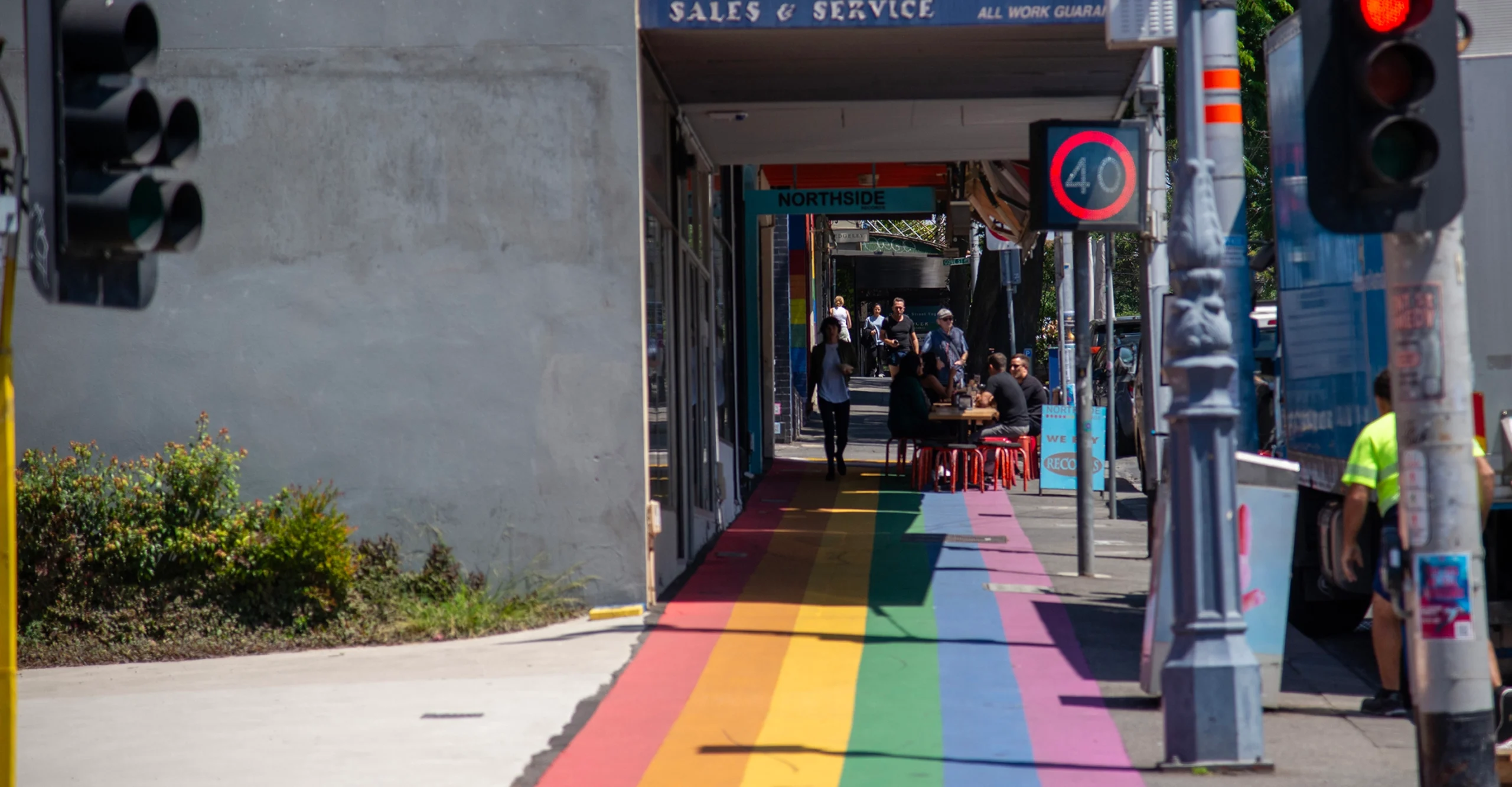
Powerful experiences of our multicultural city acknowledges Melbourne’s diverse migrant histories and expands how stories are told through interpretation, events and creative experiences, so that the city’s communities can see their histories and identities reflected in the public realm.
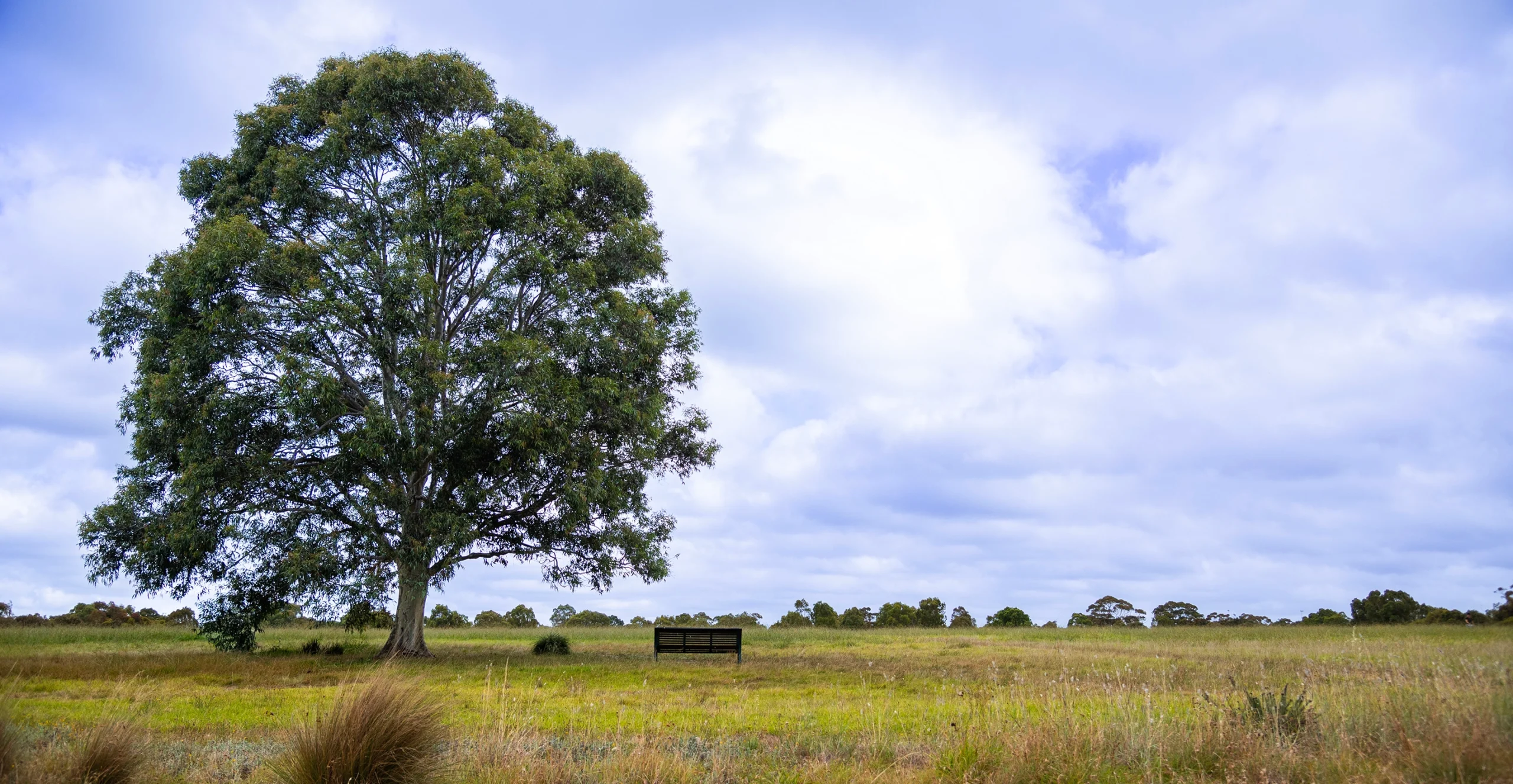
Sustainability and environment aligns heritage with climate and biodiversity goals, promoting retrofit, adaptive reuse and the protection of heritage landscapes and trees as part of a resilient city.
GML’s work has already contributed to strengthening many of these ambitions.
The Hoddle Grid Heritage Review established a new approach to a collaborative research model for heritage studies that has since been replicated in the South Yarra and Parkville studies. This approach has helped set a clear methodology for identifying places of significance to Aboriginal people and for working with Traditional Owners to better understand cultural connections, stories and pathways for protection. GML’s work at Royal Park further demonstrates the critical role that landscape heritage plays in shaping Melbourne’s identity and supporting a sustainable, liveable city.
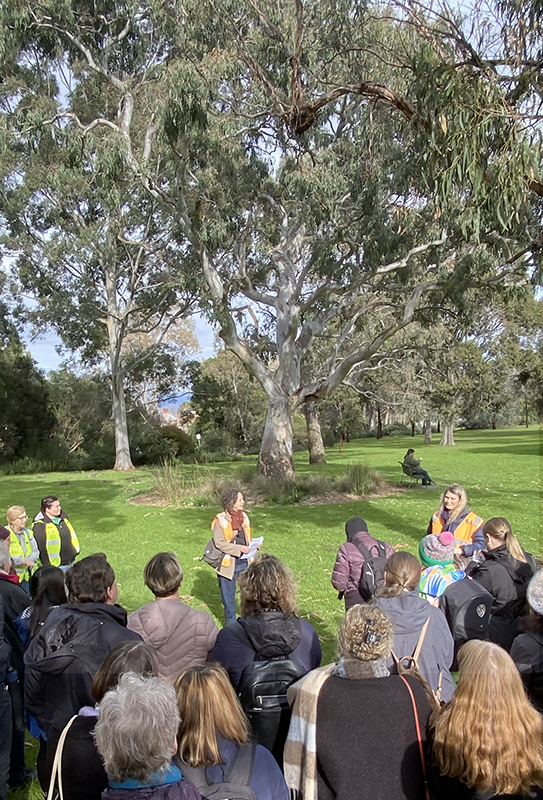
GML was pleased to support the strategy’s community engagement through collaboration with Open House Melbourne, hosting an Open Studio event in May 2025. The session welcomed students and emerging practitioners into heritage practice, contributing to a people‑centred conversation about Melbourne’s heritage future. GML Historian Dr Helen Doyle’s participation in the Stories of Heritage panel highlighted key stories that have shaped Melbourne and demonstrated how storytelling can connect visible places with histories that may otherwise remain hidden.
As practitioners working at the intersection of heritage, planning and community values, GML looks forward to continuing to work with the City of Melbourne to help safeguard the city’s heritage into the future — contributing analytical insight, strategic advice and storytelling approaches that support thoughtful heritage management as Melbourne continues to grow and change.