Insights from Planning Congress 2026
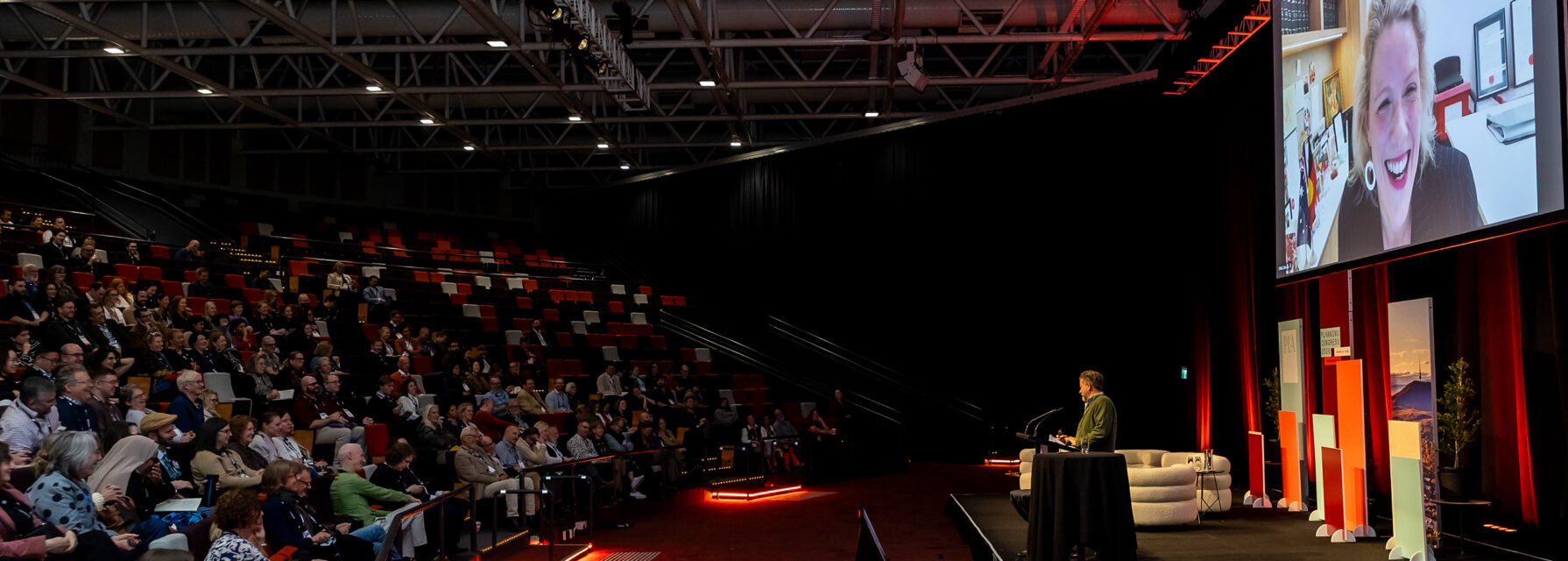
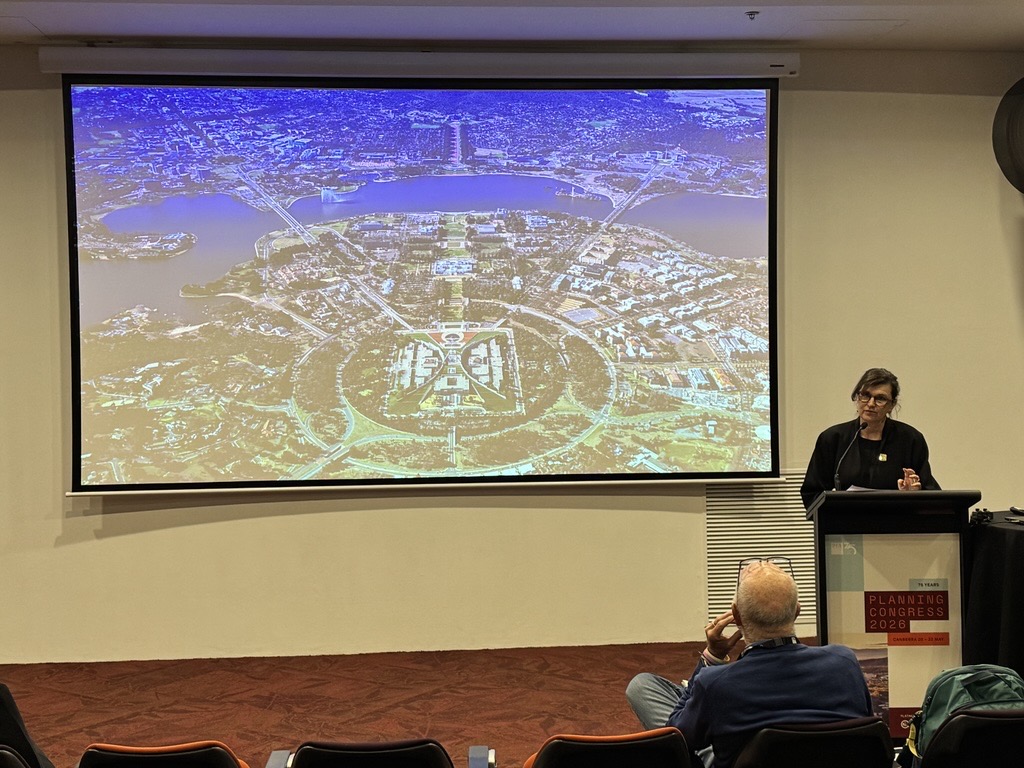
Last month, GML Principal Rachel Jackson attended the Planning Institute of Australia’s annual congress in Canberra, presenting on the planning evolution of the national capital. Here, Rachel reflects on some of the key themes and discussions that emerged from the three-day program.
Held from 20–22 May 2026 and hosted by architecture and design advocate Tim Ross, Planning Congress 2026 brought together planners, policy-makers, researchers and industry leaders from across Australia to examine the challenges and opportunities facing planning today. Across plenaries, workshops, tours and concurrent sessions, discussions focused on housing supply, climate resilience, population growth, digital transformation and the growing recognition of First Nations knowledge in planning practice.
The congress program was organised around themes including housing and innovation, turning plans into places, Country, climate and resilience, planning for a changing nation, and the future of the profession. Together, these reflected the breadth of issues confronting planners and the increasing need to work across policy, design, governance and community engagement.
A recurring theme was the shift from planning aspirations to implementation. Discussions on housing, infrastructure and urban growth focused not only on what needs to be achieved, but how outcomes can be delivered through effective coordination, investment and governance.
Canberra as a case study in planning and governance
Canberra was more than the setting for the congress; it was a recurring case study throughout the program. Sessions explored the planning history, governance and future of the national capital, examining its role as a planned city, and the dual planning complexities following self-government.
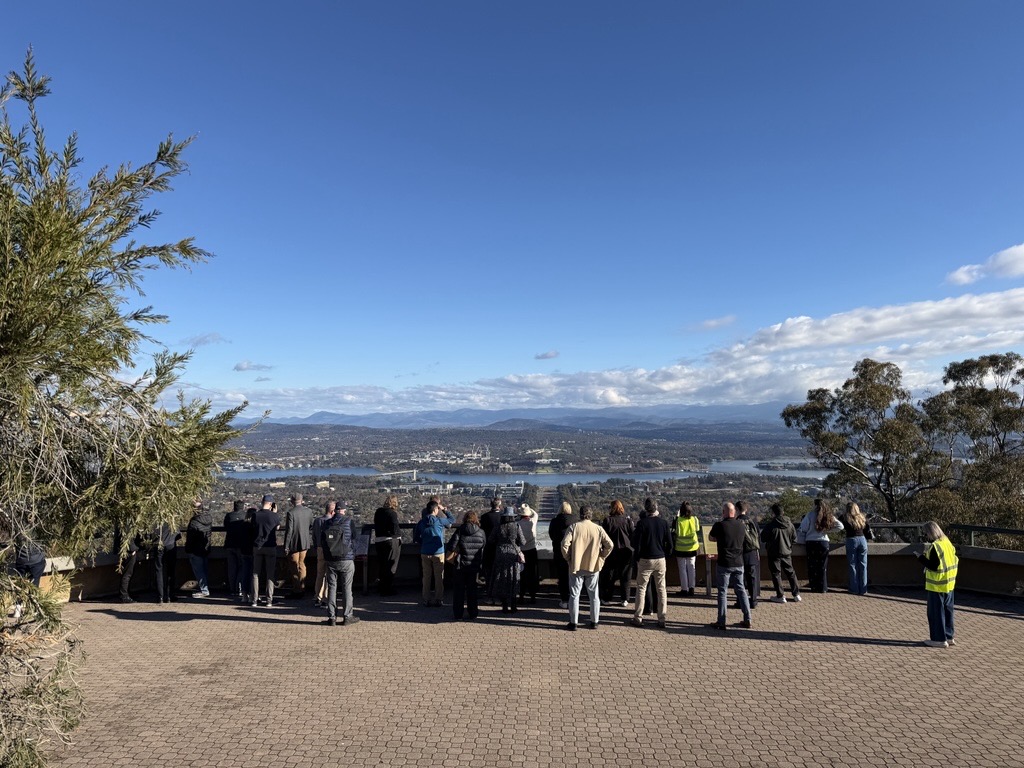
The setting also provided an opportunity for GML to participate as a Study Tour partner and present The Griffins’ Plan for Canberra, tracing how the Griffin’s vision evolved into the city we know today. Touring Canberra’s central national area, participants visited sites including Federation Mall, Yarralumla Incinerator, the National Carillon, Mount Ainslie and the National Capital Exhibition, gaining insight into how ambitious planning ideas become lived places.

Key takeaways for heritage practitioners and planners
Several messages for heritage practitioners, planners and decision makers emerged from the congress. First, housing remains a central national challenge, with the discussion shifting from aspiration to implementation, addressing feasibility, delivery mechanisms and coordination across sectors. Second, Country-centred planning and First Nations knowledge are becoming integral, not as an adjunct but as a foundational lens for planning practice. Third, climate resilience continues to broaden beyond environmental risk to encompass social vulnerability, infrastructure, landscape and long-term adaptability. Finally, digital transformation, and particularly the growing role of artificial intelligence, is reshaping both the tools of planning and the professional questions planners need to ask about evidence, ethics and public value.
Overall, PIA Congress 2026 highlighted that the planning profession is responding to increasingly complex and interconnected challenges—many of which are also shaping the future of heritage practice. Heritage plays an important role in this conversation, helping to ensure that the character, identity and stories that make places distinctive are retained and understood as communities evolve. The conversations in Canberra demonstrated the importance of bringing together history, governance, innovation and Country to help shape more resilient, inclusive and meaningful places for the future.