New evidence of early Aboriginal occupation in Parramatta
New research reveals Aboriginal occupation along the Parramatta River as early as 34,000–35,000 years ago—far earlier than previously thought.
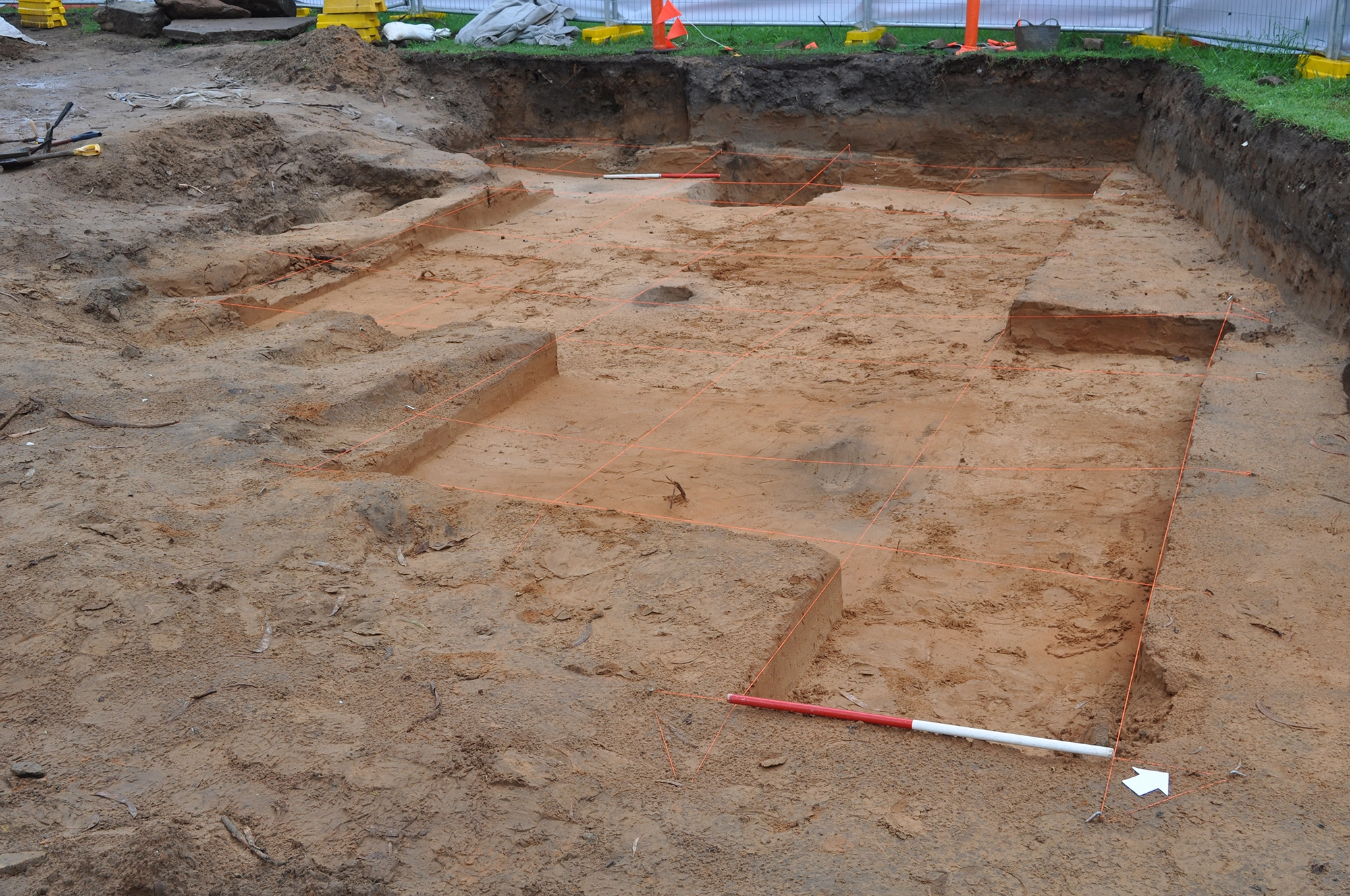
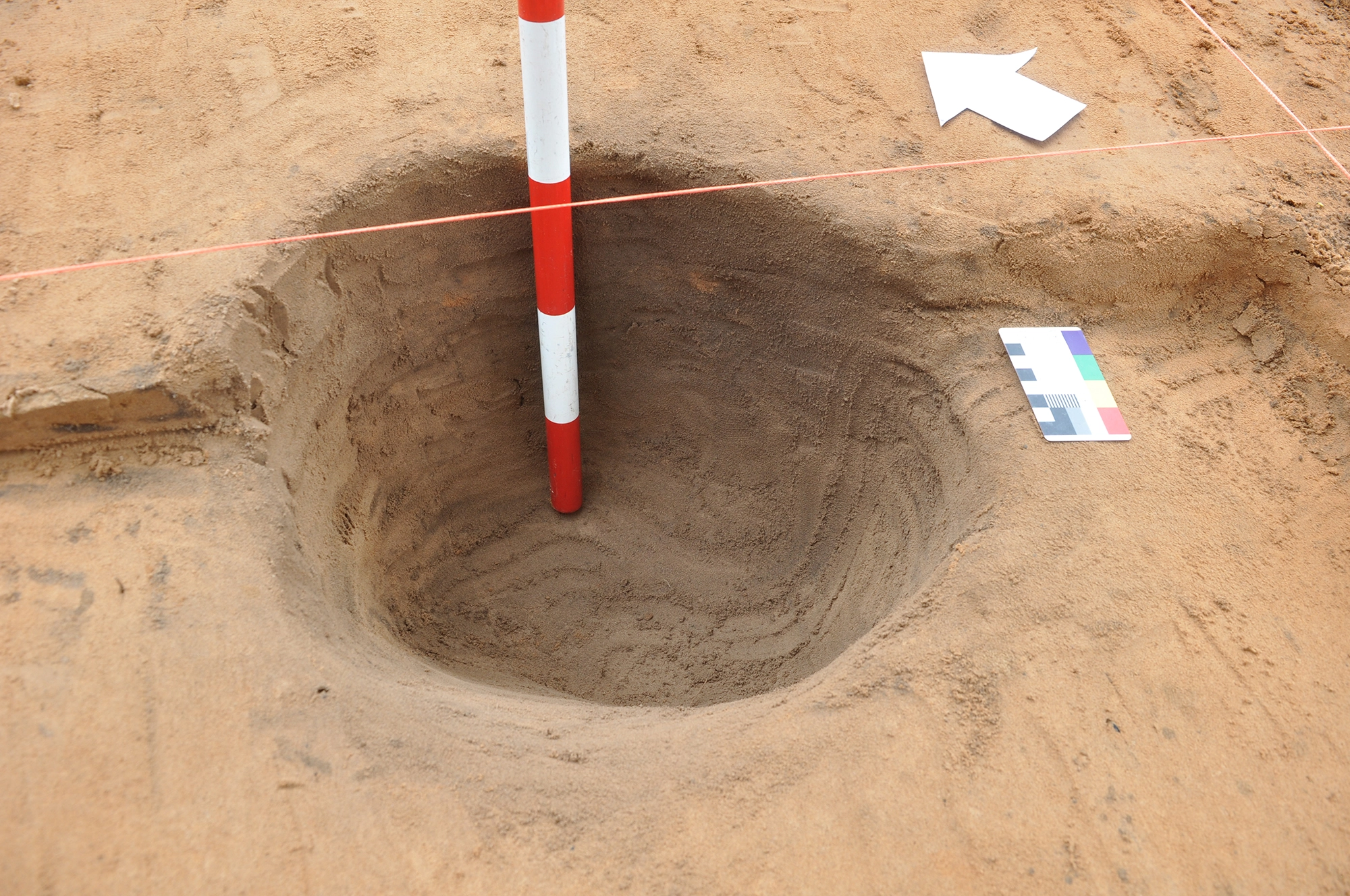
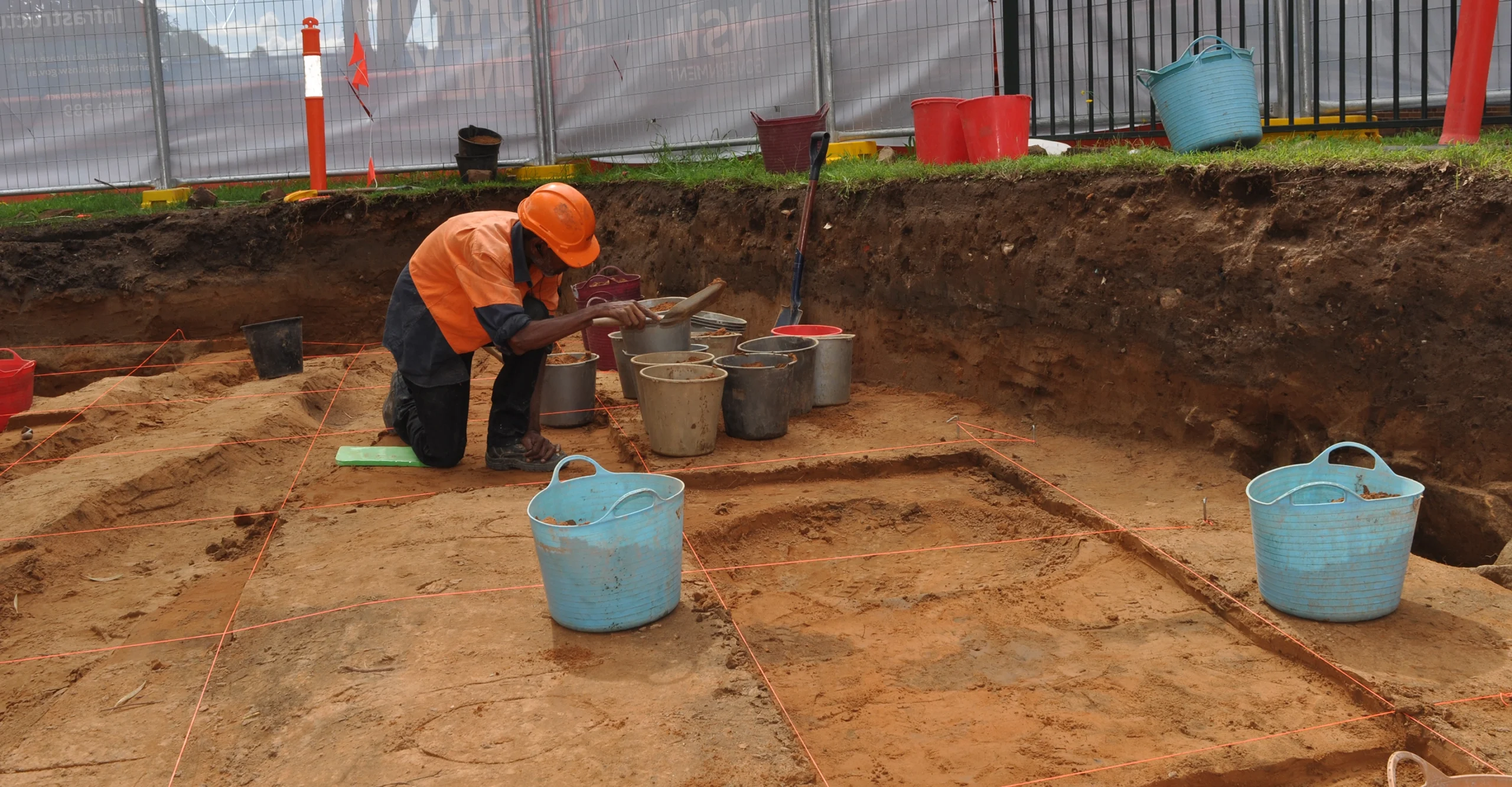
In a new paper published in the Journal of Archaeological Science, GML Principal Tim Owen, with co-authors Beth White and Lara Donohoe, presents research from site ‘AT14’—an Aboriginal site on the Parramatta River in North Parramatta—that is reshaping our understanding of early Aboriginal occupation in the Greater Sydney Region.
For many years, the prevailing view held that prior to the Holocene, Aboriginal communities were concentrated along the Hawkesbury–Nepean River, only expanding more widely across Sydney from around 14,000 years ago.
However, the latest investigations and analysis from AT14 tell a different story. Dating shows Aboriginal presence in the Parramatta area around 34,000–35,000 years ago, supported by stone artefacts across multiple activity areas—not a one-off event. Detailed analysis and conjoining these artefacts has enabled a deep understanding of the site, and how it was occupied, prior to the Last Glacial Maximum.
This research adds to a growing body of evidence challenging the long-held belief that Parramatta was occupied much later, revealing a far deeper and more complex history of Aboriginal life across Sydney well before the end of the Pleistocene.