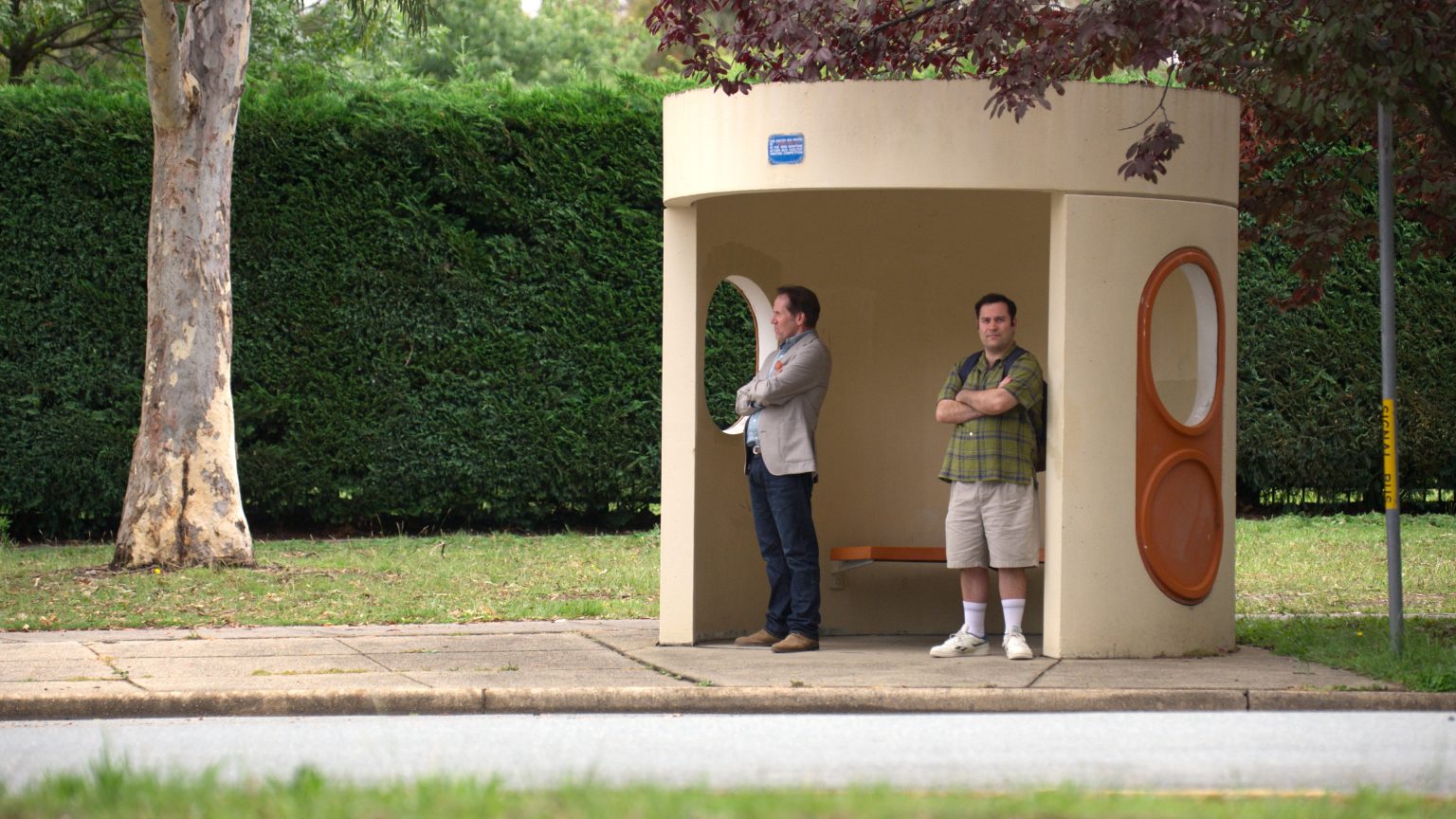
Reflecting on the vision that shaped Australia's capital.

Griffin at 150: Reflecting on the vision that shaped Australia’s capital
The 150th anniversary of Walter Burley Griffin offers an opportunity to revisit the bold ideas that shaped Canberra, and to consider how those foundations continue to guide the city’s evolution.
This year marks the 150th birthday of Walter Burley Griffin, the visionary Chicago born architect whose winning design for Australia’s new federal capital continues to shape Canberra today.
Working with his life partner, Marion Mahony Griffin, Griffin drew inspiration from the City Beautiful and Garden City movements, both emphasising open spaces and harmony with the natural landscape.
Known as the Griffin Plan of 1912, this masterplan remains the foundation for Canberra’s Central National Area, including the National Triangle and Parliamentary Zone – a lasting testament to their enduring vision. Their design combined aesthetic grandeur with practical ideals, creating a blueprint for a city free from heavy industry, rich in green spaces, and offering diverse housing options.
GML Principal Rachel Jackson will reflect on this legacy at the 19th International Docomomo Conference in Los Angeles this month, presenting a paper that examines Canberra’s planning paradox within the stream Twentieth-Century Infrastructure: Legacies, Challenges, and Adaptations.
Rachel’s paper traces three critical phases: the original Griffin Plan; the mid-twentieth-century development under the National Capital Development Commission (NCDC); and the contemporary era of self-government, with a complex system of dual planning and heritage legislation.
The paper analyses the shifts from the twentieth century foundations of design-led master planning, particularly following the NCDC’s demise, and how Canberra’s car dependency and suburban expansion is incrementally being diluted. Revisiting the Griffin’s ideals, the NCDC’s Y Plan and the National Capital Open Space System, that offers critical lessons for managing growth while safeguarding Canberra’s national, cultural heritage and environmental significance.
In May, Rachel will present the paper at the Planning Institute of Australia’s Planning Congress in Canberra. GML is also supporting the Congress through the study tour The Griffins’ Plan for Canberra, which traces how Walter and Marion’s bold vision transformed from an ambitious design into the city we know today. Travelling through the central national area, participants will encounter key moments in the plan’s implementation, from landmark vistas and elevated lookouts that reveal the successful vision and geometric structure of a designed city in the landscape, to lesser-known sites that tell the layered stories of Canberra.