Legislative reform and cultural heritage: what’s changing and why it matters?
Australia’s heritage landscape is entering a period of significant transformation with recent reforms reshaping how culture heritage is identified, assessed and protected, writes CEO Sharon Veale.
Recent reforms to the Environmental Protection and Biodiversity Conservation Act, 1999, (EPBC Act) at the Commonwealth level and ongoing planning reforms in Victoria and New South Wales promise to reshape how cultural heritage is identified, assessed and protected. For heritage practitioners, communities and developers, these changes present both opportunities and challenges for heritage planning, assessment and conservation.
The EPBC Act reform: a national reset
The EPBC Act has long been the cornerstone of Australia’s environmental and heritage protection framework, regulating actions that impact matters of national environmental significance, including World Heritage properties, National Heritage places, and Commonwealth Heritage sites. However, after two decades of criticism for complexity and duplication, the Act has undergone its most substantial overhaul since inception. The reforms package comprises seven bills some of the changes include:
- The establishment of National Environmental Standards (NES) with binding standards now guide decisions on heritage and environmental matters, aiming for consistency and transparency. Existing bilateral agreements with States will continue as per current terms, with operational reviews every 5 years.
- A single, simplified process with streamlined assessment pathways to replace multiple assessment routes and aimed at reducing delays but also raising questions about depth of scrutiny.
- The reforms integrate Indigenous voices in planning and assessment, including co-design of standards and bioregional plans.
- Administrative amendments to National Heritage listed places will be possible this will include name changes, correcting errors, updating values, altering boundaries, etc
- The creation of the National Environment Protection Authority (NEPA) scheduled to take effect from 1 July 2026 strengthens compliance and enforcement, with powers to audit and issue protection orders.
- Will establish Environmental Information Australia, which will lead the State of the Environment reporting and maintain publicly assessable environmental data registers.
These reforms respond to the Samuel Review (2020) and public pressure following incidents like Juukan Gorge. It signals a shift towards some stronger cultural heritage safeguards alongside environmental goals. Yet, implementation details—such as how NES will apply to complex heritage landscapes—remain under consultation. There is no ‘climate trigger’, proponents of major coal and gas projects will only be required to disclose emissions and produce a plan detailing how they intend to reduce them.
NSW planning reforms
In NSW, the Planning System Reforms Bill, 2025 seeks to make approvals ‘faster, simpler, and fairer.’ Centralising decision-making and expanding fast-track pathways is geared towards streamlining development, but we are wary of unintended consequences:
- Accelerated approvals may sideline thorough heritage assessments, particularly for Aboriginal communities and their cultural heritage.
- Streamlined processes and changes to public participation will likely impact opportunities for community and First Nations input, undermining consideration of other matters and inclusive heritage governance.
- Aligning planning efficiency with heritage protection requires robust safeguards, not just procedural speed.
There are several changes that will impact heritage planning, including that the Development Coordination Authority (DCA) will now issue approvals and conditions for integrated development on behalf of the government agencies that formerly undertook their own assessments. Specialist staff from the State agencies, including Heritage NSW are likely to be brought into the DCA to support this change.
Detailed information regarding the new processes and procedures is yet to be released, but meanwhile, the State government has released an expanded set of exemptions for State Heritage listed properties. The new exemptions permit owners to undertake a range of activities without consent such as geotechnical testing, the installation of security systems, fire suppression, solar panels, batteries and insulation. Temporary events and filming is exempt for up to 90 days.
Aboriginal cultural heritage
We also understand that an advanced draft of the long promised Aboriginal cultural reform for NSW is progressing once again. Consultation on an updated draft Aboriginal Cultural Heritage Bill, 2025 has recently been conducted with select stakeholders and community. Once the bill is publicly released, we will provide a summary overview of key changes. In other recent developments, Department of Aboriginal Affairs has introduced Cultural Knowledge Standards, to complement existing statutory processes, and a new Aboriginal Cultural Heritage Information System is under development.
Victorian planning reforms
The Planning Amendment (Better Decisions Made Faster) Bill, 2025 represents a significant overhaul of Victoria’s planning system and amends the Planning and Environment Act, 1987, streamlining planning processes and introducing a three-tier permit assessment ranging from low, medium, high complexity. Ministerial powers and enforcement tools are enhanced and support for housing supply will include faster approvals, particularly in activity centres. New compliance provisions and penalties for breaches will be introduced.
The Act’s heritage objective has broadened to include social and cultural significance, not just scientific or architectural interest. In principle, this signals a stronger recognition of heritage values, yet practical protections will depend on future regulations and whether heritage expertise is embedded in decision-making. The government has stated that local Heritage Overlay protections will not be removed or weakened. Planning permits for works that could affect heritage significance will continue to be required. Notwithstanding this, the fast-track mechanisms and lack of detailed heritage guidance may create uncertainty.
What’s next?
The EPBC reforms are set to roll out from mid-2026, while NSW planning changes are progressing through implementation. We will be monitoring draft standards, participating in consultations, and preparing for a future where heritage protection is integrated, risk based and proportionate—but not necessarily conserved—within broader environmental and strategic planning agendas and priorities. In Victoria, the Bill passed the Legislative Assembly on 14 November 2025 and the Legislative Council on 9 December 2025, after debate and amendments. It is now in the Committee of the Whole stage, where clause-by-clause review and final amendments are being settled.
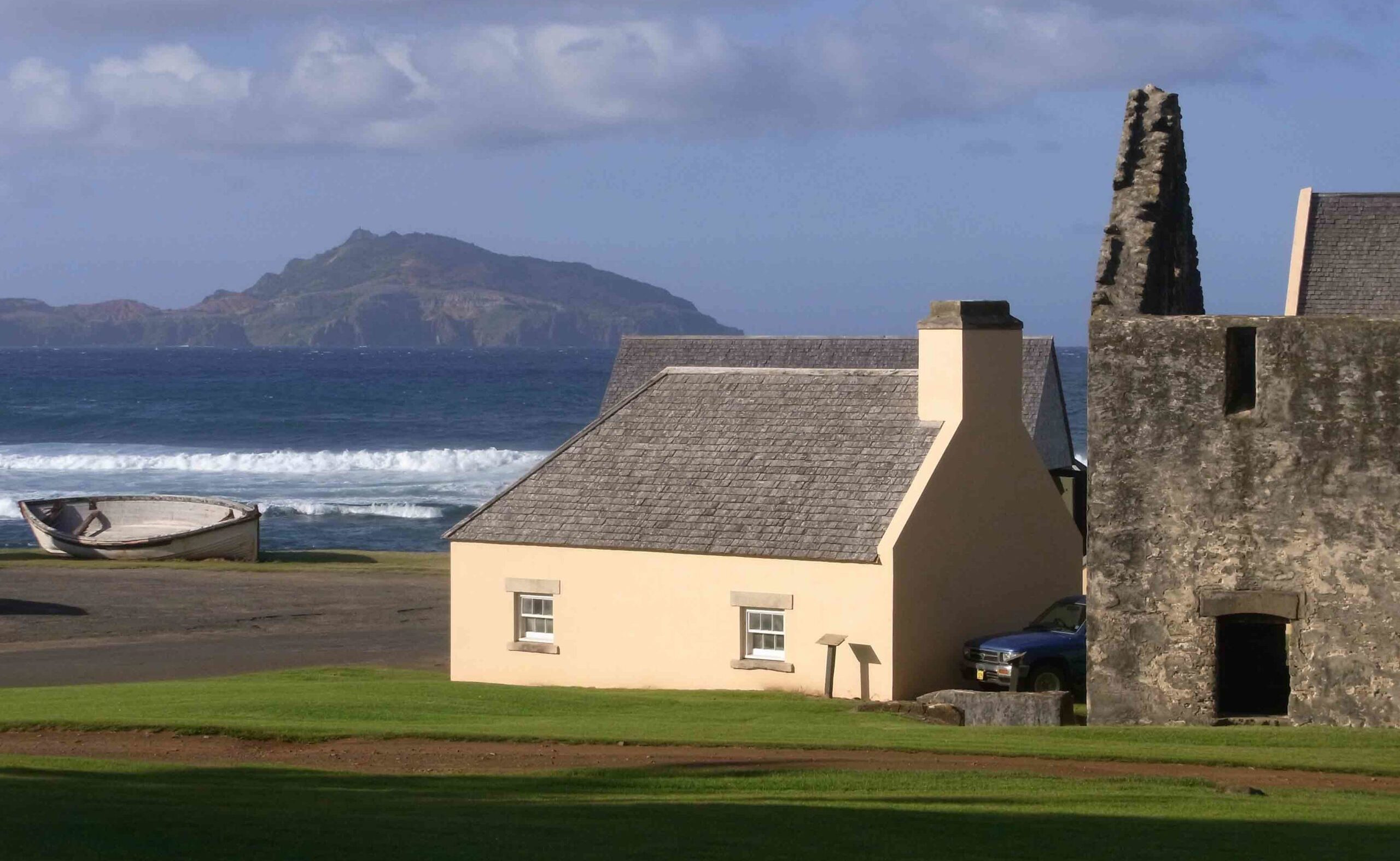
Image: Kingston and Arthur’s Vale Historic Area on Norfolk Island, one of Australia’s World Heritage Convict Sites.